20 Diy Montessori Toys For 2 Years
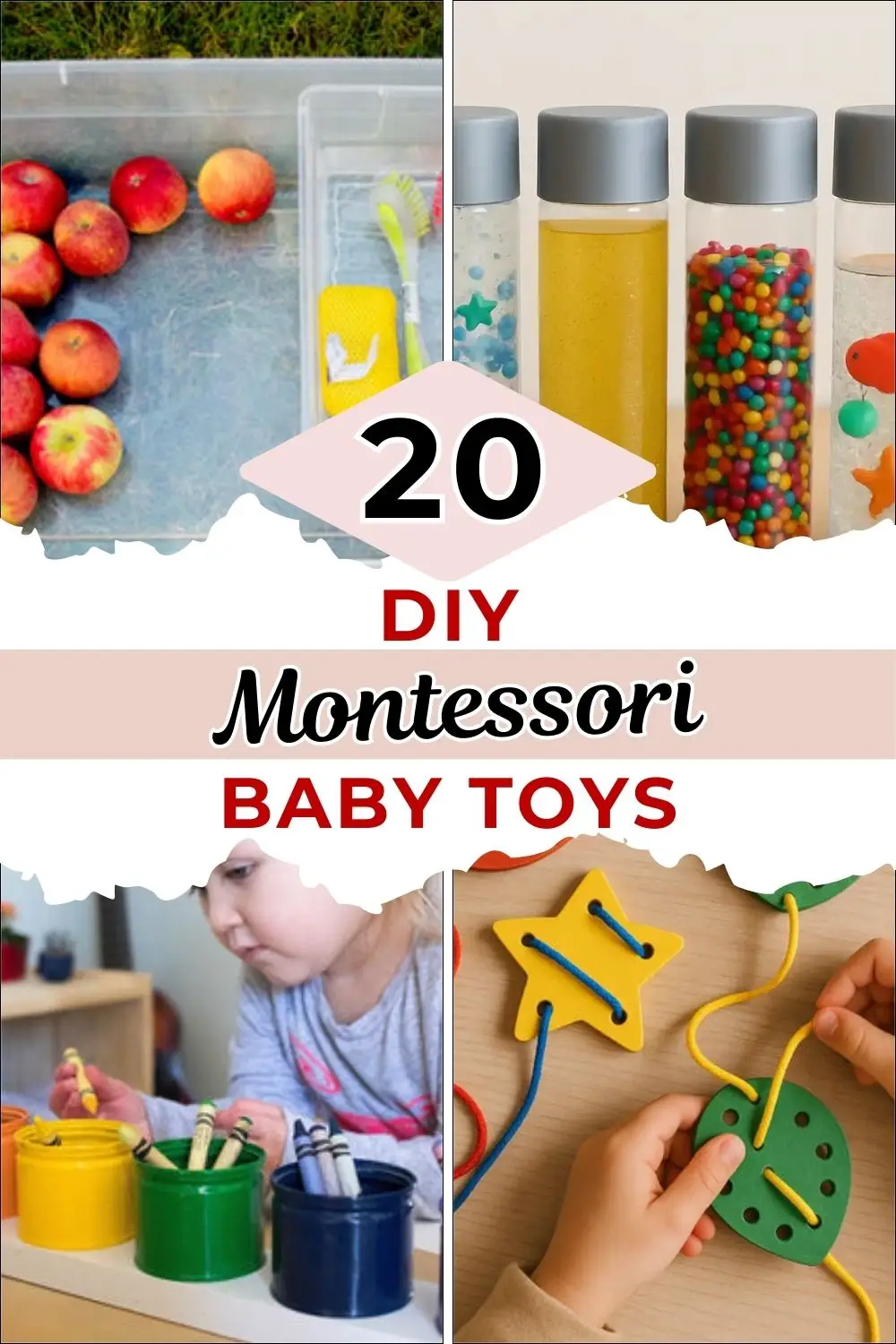
The Montessori method is all about recognizing how children are naturally curious and creative. They already have the ability to learn about the world around them through play, exploration, and hands-on discovery.
Creating your own Montessori-inspired toys at home can help nurture that curiosity while encouraging independence and confidence. These simple do-it-yourself activities let little ones explore, problem-solve, and develop real-life skills in a fun, meaningful way.
When you provide toys that inspire curiosity, you’re not just entertaining your child; you’re helping them build a lifelong love of learning.
Straw Insert Work
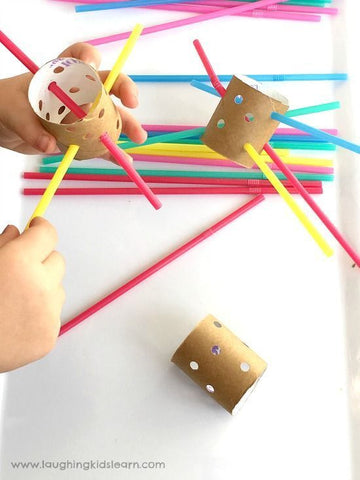
Materials Needed: Cardboard box or paper towel holder with a lid, and drinking straws or pipe cleaners
Time to Make: 10–15 minutes
Playtime per Session: 5–7 minutes
This one is super easy to set up. Poke a few holes in the lid of a cardboard box or paper towel holder and cut straws or pipe cleaners into small pieces.
Your child can practice pushing the straws through the holes, which strengthens hand-eye coordination and concentration.
Color Box

Materials Needed: Shoe box or small box with a lid, colorful papers or coins, scissors, and markers or colored pencils
Time to Set Up: 10–12 minutes
Playtime per Session: 5–7 minutes
Take a shoe box or a small box with a lid and cut slits on top. Color around each slit using markers or colored pencils.
Cut out pieces of colored paper or coins and have your child match the colors by placing them in the correct slot. This activity is simple, creative, and helps strengthen color recognition.
Threading and Lacing Toys
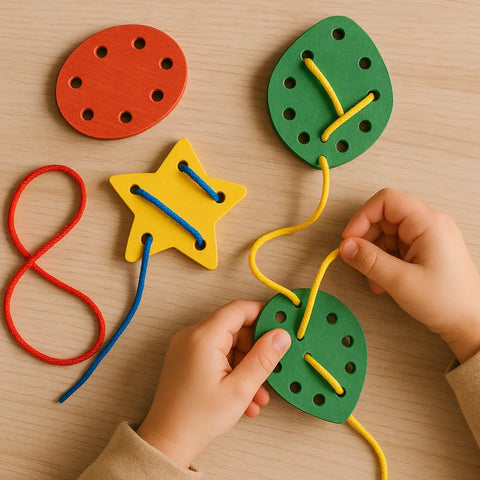
Threading and lacing toys are perfect for improving concentration and fine motor control. You can make your own by drilling holes into wooden shapes or cutting out thick cardboard pieces.
Give your child a shoelace or string and show them how to thread it through the holes. This simple motion helps develop coordination and patience. Once your child gets the hang of it, try introducing color or pattern challenges, such as threading in a specific order.
This encourages early math and logical thinking. As their skills grow, add new shapes or more holes to keep the activity interesting and rewarding.
Color Sorting
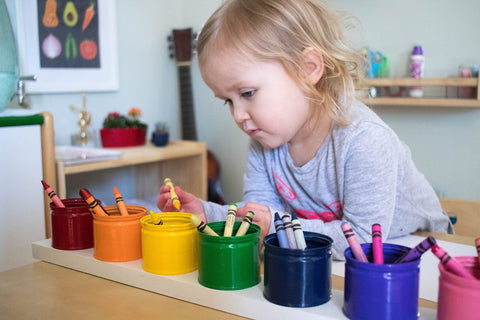
Materials Needed: Cloth, paper, or other items in five colors, such as red, blue, yellow, green, and orange
Additional Items for Sorting: Small toys or everyday objects
Time to Make: Around 5–10 minutes
Playtime per Session: 10–15 minutes
Gather a few items in different colors, like red, blue, yellow, green, and orange. Let your little one match colors by placing items together.
As they get better at sorting, you can add more shades or even switch to different types of items for a fun challenge.
Mailbox Insert Work
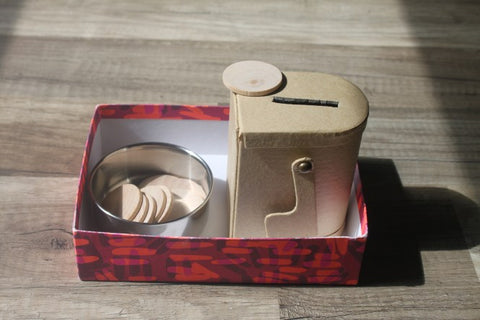
Materials Needed: A small box with a lid, such as a shoebox, and discs or objects small enough to fit through a slit in the top
Time to Make: 5–10 minutes
Playtime per Session: 5–10 minutes
This version adds a bit more challenge. Cut a slit in the lid of a box and give your child discs or small items to push through. It strengthens hand control and keeps them engaged as they experiment with cause and effect.
Fabric Matching Game
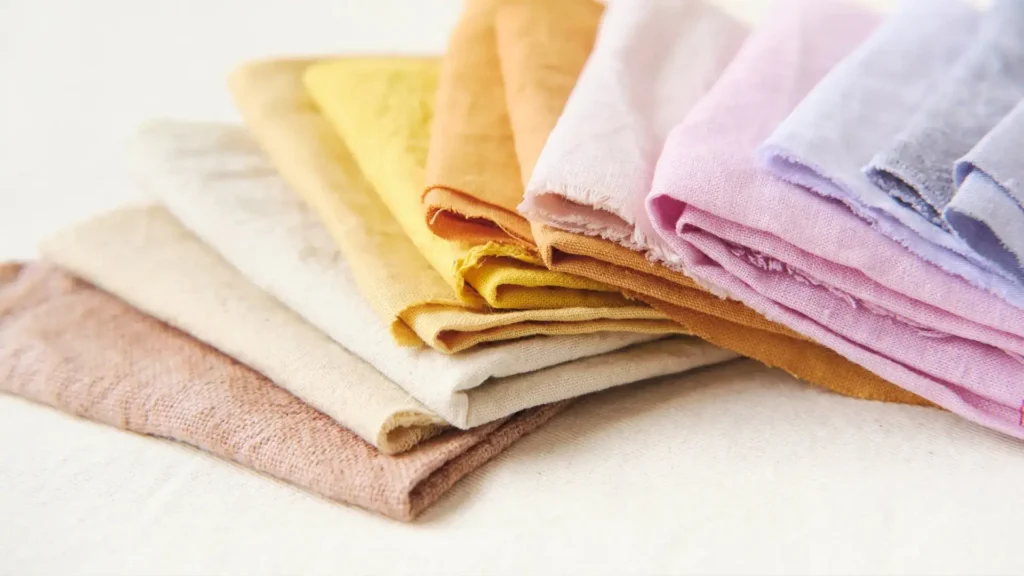
A fabric matching game is a fun, hands-on way to develop your child’s sense of touch and sight. Cut small fabric squares, making sure each pair has a matching texture or pattern.
Encourage your child to match the squares by feeling them, noticing how each fabric is soft, rough, smooth, or bumpy. This activity helps strengthen sensory awareness and observation skills.
To make it more challenging, blindfold your child and have them match the fabrics using only their sense of touch. This adds excitement and builds confidence in exploring through different senses.
You can also talk about colors, shapes, and patterns as they play, helping them learn new words naturally through playtime.
Peg Insert Work
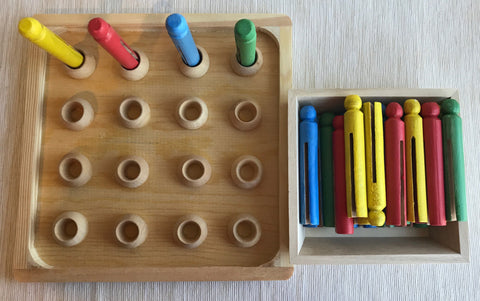
Materials Needed: A clean soup container or small box with a lid, and pegs like those from a hammering set, clothespins, or wooden sticks
Time to Make: 20–30 minutes
Playtime per Session: 15–20 minutes
Make a few holes in the lid of a clean container and provide your child with pegs or clothespins to place inside. This simple activity improves fine motor skills while giving them a sense of accomplishment each time they fit a peg into the hole.
Wooden Stacking Toys
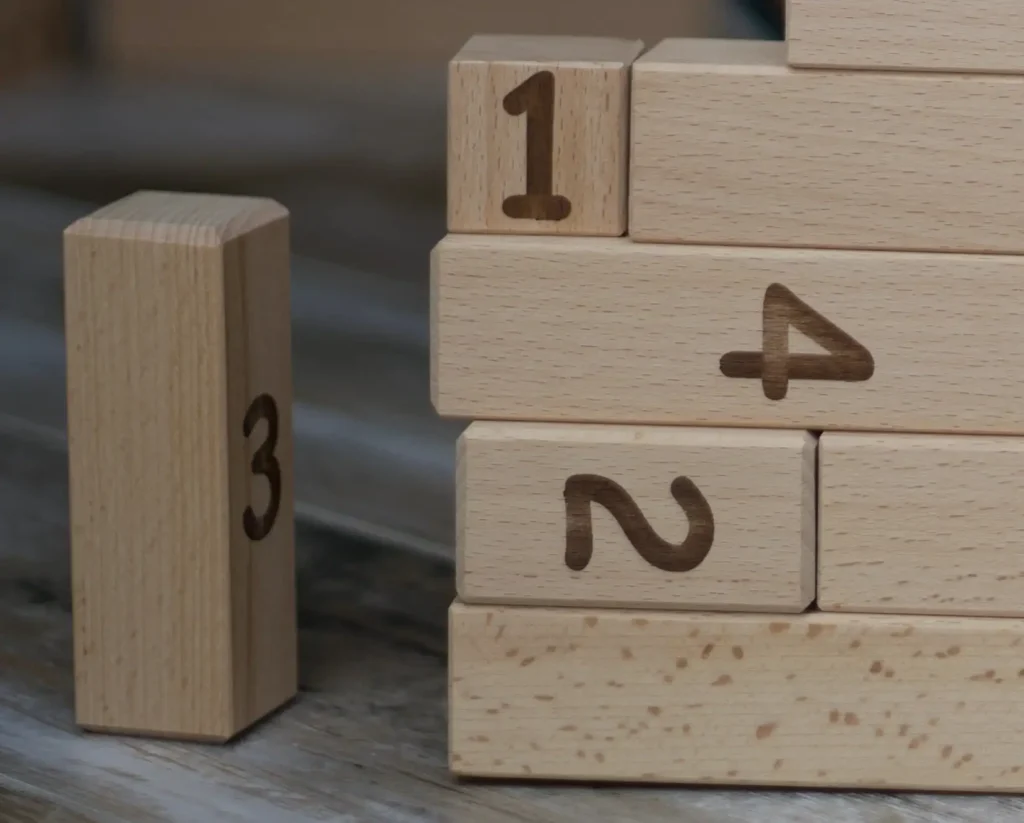
Wooden stacking toys are timeless Montessori favorites that help improve fine motor skills and coordination. You can create your own by using wooden rings or blocks. If you have basic tools, cut and sand pieces of wood to make your own stacking set.
You can also buy unfinished wooden pieces and paint them with non-toxic colors to make them bright and fun. As your child plays, they learn concepts like size, order, and balance.
Stacking different shapes and sizes encourages problem-solving and spatial awareness. You can even turn it into a counting or color activity by asking them to stack in a specific order.
These toys grow with your child, offering new learning opportunities as they get older.
Ribbon Pull Toy
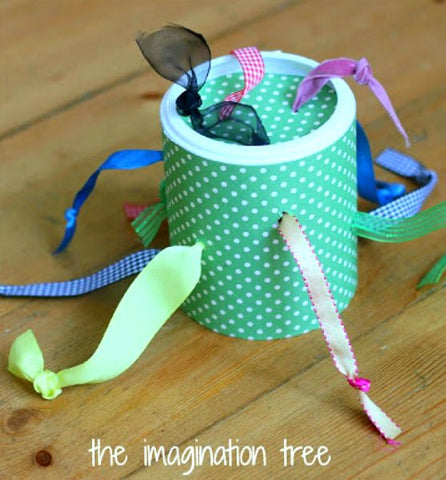
Materials Needed: Empty breadcrumb canister, colored paper, adhesive or glue, and ribbon scraps
Time to Make: 15–30 minutes
Playtime per Session: 10–15 minutes
Take an empty breadcrumb canister and poke several small holes in the lid. Wrap the container with colored paper to make it bright and inviting.
Thread ribbon scraps through the holes and tie knots at each end so they can’t pull all the way out. Toddlers love tugging the ribbons and watching them move in and out, a perfect activity for curious little hands.
Velcro Shapes Box
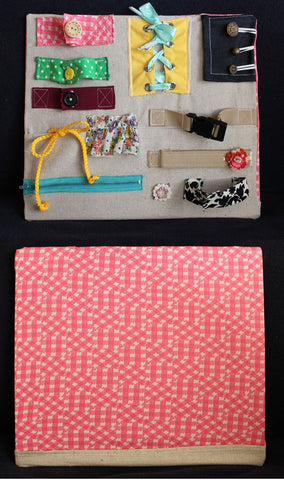
Materials Needed: Box, tray, or piece of fabric, Velcro strips, cut-out shapes, and glue
Time to Make: 20–25 minutes
Playtime per Session: 10–12 minutes
Take a small box, tray, or piece of fabric and stick Velcro strips in different spots. Then, cut out fun shapes and glue Velcro on the back of each one.
Let your child match and attach the shapes to the box to make their own colorful designs.
Sensory Bottles

Sensory bottles are a wonderful way to engage your child’s senses and spark curiosity. They’re simple to make and can be customized based on your child’s interests.
Fill a clear plastic bottle with colored water, glitter, sand, or tiny beads, then seal it tightly. Let your child shake and explore what’s inside. As they watch the colors swirl and the objects move, they begin to understand cause and effect.
The gentle motion also has a calming effect, making it a great activity for focus and relaxation. You can theme your sensory bottles around seasons or holidays to keep playtime fresh.
Try a winter bottle with white glitter and snowflake confetti or a summer version with seashells and blue water. These themed bottles are easy to switch up, giving your child something new to discover every time.
Tugging Box
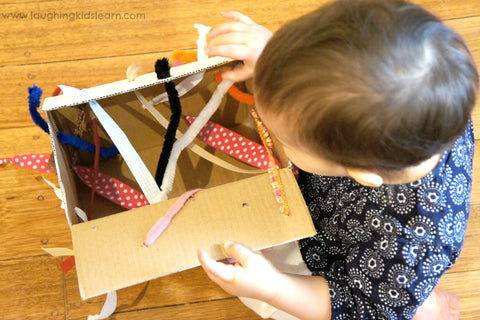
Materials Needed: Gift box or sturdy square box and ribbons in different colors
Time to Make: 15–20 minutes
Playtime per Session: 10–15 minutes
Use a sturdy gift box and poke small holes around the sides. Thread colorful ribbons through the holes and tie knots at both ends.
Your toddler will love pulling and tugging the ribbons back and forth, a soothing activity that builds strength and coordination.
Scoop and Pour
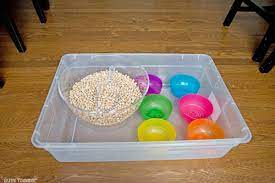
Materials Needed: Bowl, items like rice, popcorn, or raisins, smaller bowls or ice trays, and spoons or scoops of different shapes
Time to Set Up: 5–10 minutes
Playtime per Session: 10–15 minutes
Fill a large bowl with small items like rice, popcorn, or raisins. Provide a few smaller bowls and different spoons or scoops so your child can practice transferring items.
They’ll love the hands-on fun while building fine motor skills and learning about size, shape, and balance.
Zipper Board

Materials Needed: Board such as plywood or cardboard, zippers in different colors and sizes, glue or adhesive
Time to Make: 15–20 minutes
Playtime per Session: 10–15 minutes
Create a fun zipper board by gluing zippers of different colors and sizes onto a sturdy board. Let your little one open and close them to practice fine motor control. It’s a great way to build patience and coordination while keeping their hands busy.
Empty Container and Plastic Eggs
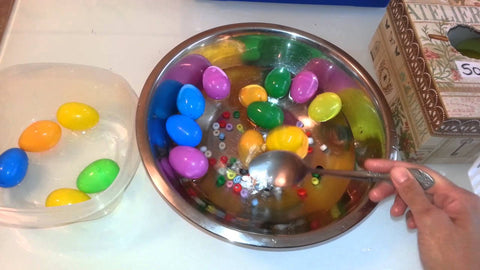
Materials Needed: Empty container such as a plastic bin or cardboard box, and plastic eggs or other small items
Time to Set Up: 5 minutes
Playtime per Session: 10–15 minutes
This easy activity is great for toddlers. Use an empty container and fill it with plastic eggs or any small items you have around the house.
Your child will enjoy placing the eggs inside, dumping them out, and repeating it over and over. It helps build coordination and gives them a sense of independence.
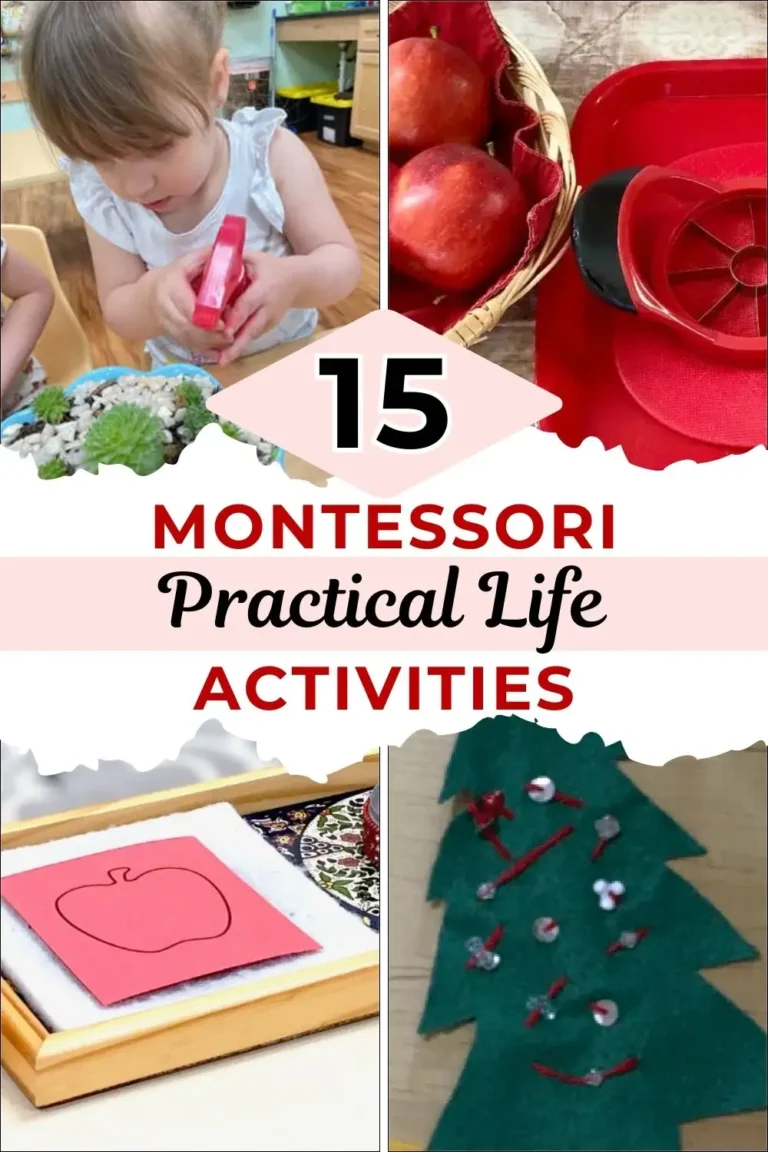
Washing Apples
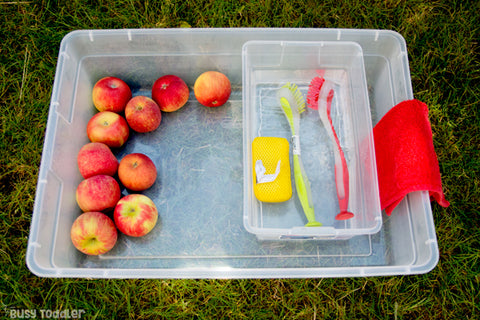
Materials Needed: Large plastic bin, smaller bin or container for water, dirty apples, and scrub brushes or sponges
Time to Set Up: 5–10 minutes
Playtime per Session: 15–20 minutes
This Montessori activity combines fun with practical life skills. Place a few apples in a large bin and fill a smaller container with water.
Give your child a scrub brush or sponge and let them clean the apples. It’s a wonderful way to teach responsibility while encouraging sensory play.
Nature Treasure Basket
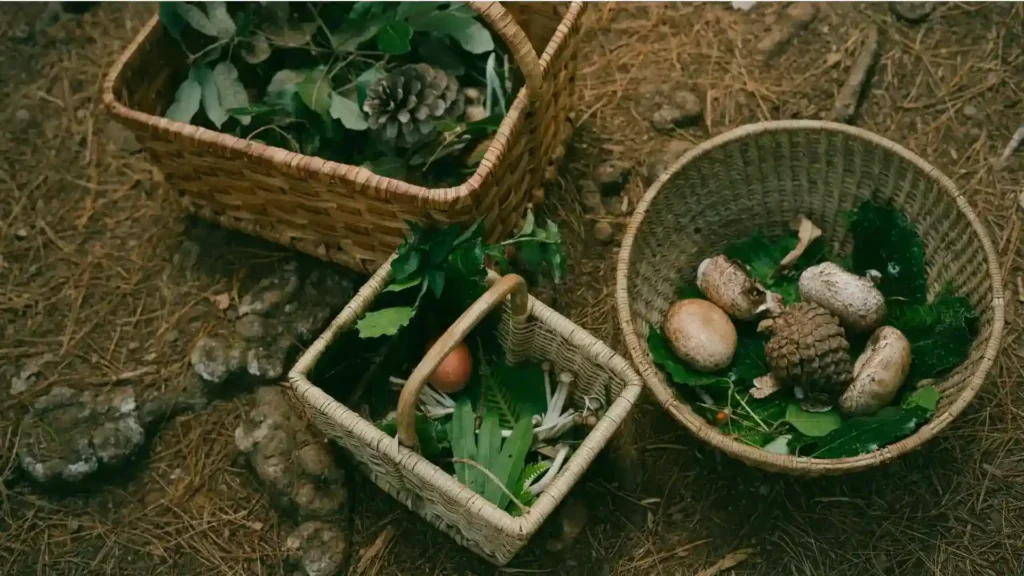
A nature treasure basket brings the beauty of the outdoors inside. Fill a basket with safe, natural items like pinecones, stones, shells, or leaves. Let your child touch and explore each item, noticing its texture, color, and shape.
It’s a wonderful way to help them connect with nature while developing curiosity and sensory awareness. Turn this activity into a learning moment by talking about where each item comes from or what makes it unique.
Ask questions like, “Which one feels smooth?” or “Can you find the biggest leaf?” This kind of interactive play encourages language skills and observation while keeping learning fun and natural.
Fish Tank Sensory Bag
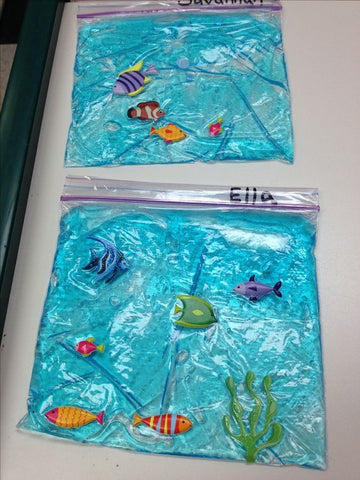
Materials Needed: Ziplock bag, tape, colorful items like beads, sequins, or buttons, and fish cutouts or stickers
Time to Make: 10–20 minutes
Playtime per Session: 10–15 minutes
Turn an ordinary Ziplock bag into a mini underwater world. Fill the bag with colorful beads, sequins, or buttons along with fish-shaped cutouts.
Tape it to a window or tabletop so your child can move the pieces around. It’s a simple sensory activity that sparks imagination and creativity.
Basic Insert Work
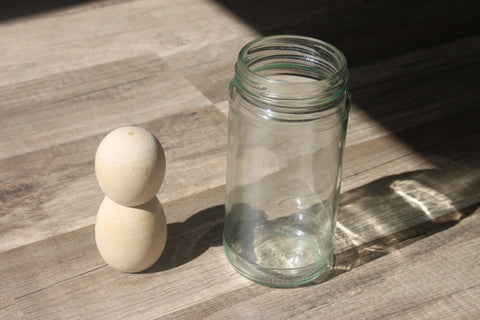
Materials Needed: An object to insert, such as a small ball or wooden egg, and a container like a bowl or pot
Time to Make: About 10–15 minutes
Playtime per Session: 10–15 minutes
This is one of the simplest Montessori activities you can make. Your child only needs an object and a container. They’ll enjoy placing the item in and taking it out again, which helps develop coordination and focus.
Wallet with Cards
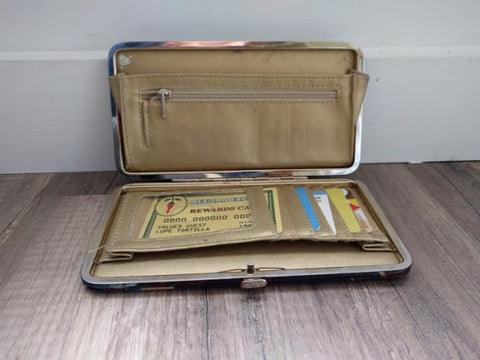
Materials Needed: Old wallet and used gift cards or expired credit cards
Time to Make: 2–3 minutes
Playtime per Session: 15–20 minutes
This simple idea is perfect for pretend play. Grab an old wallet and a few used gift cards or old credit cards. Kids love pretending they are shopping or paying at a store.
It’s an easy way to spark imaginative play while strengthening fine motor skills as they pull the cards in and out.