20 Montessori Activities for Toddlers at Home Using Simple Everyday Materials
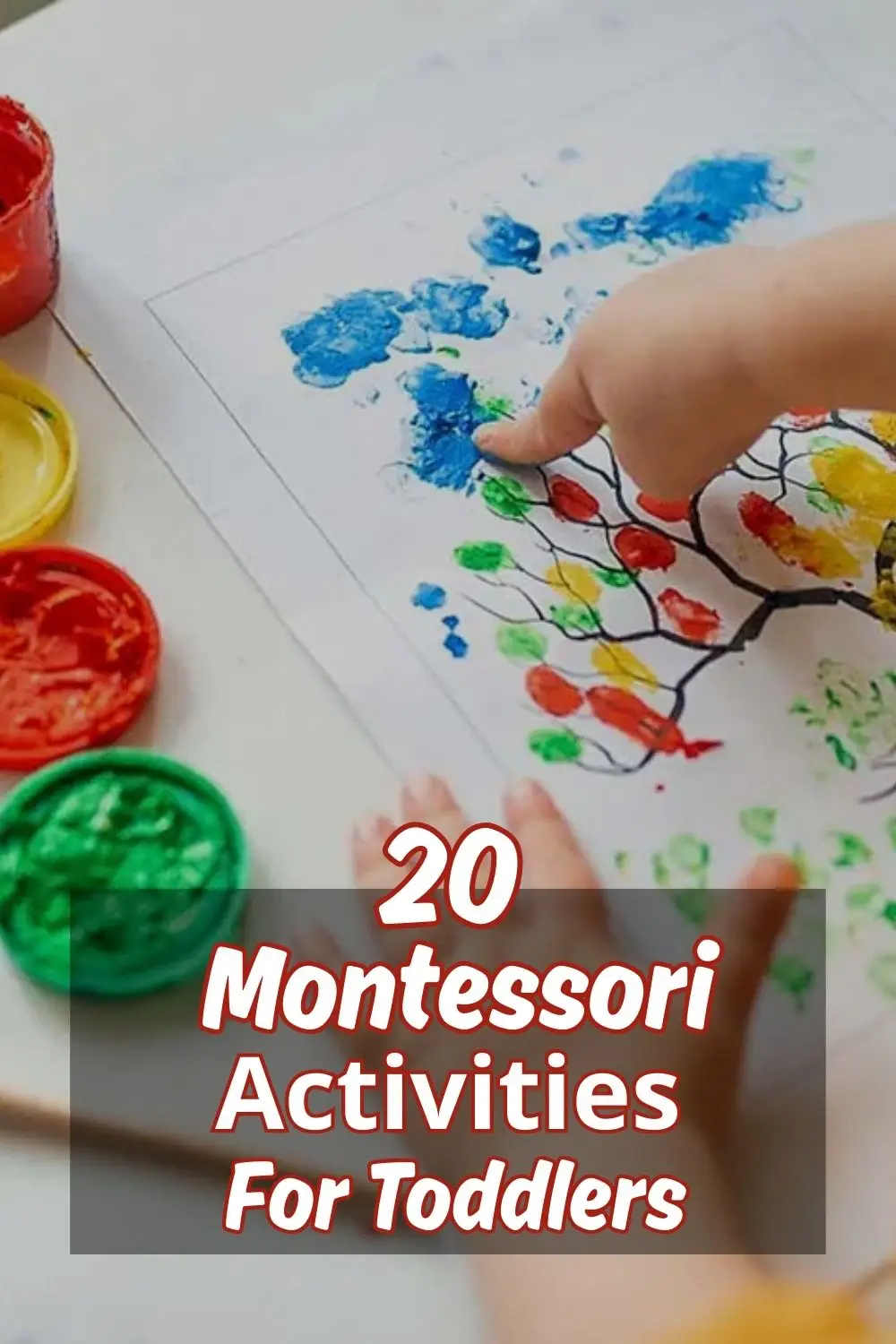
Many parents assume Montessori activities for kids need pricey materials, but that’s not always the case. While there are wonderful items you can buy to spark your child’s curiosity, so many learning opportunities can be created right at home without spending much.
Montessori learning focuses on hands-on experiences that encourage children to explore, think, and do things on their own.
Everyday tasks like sorting buttons, pouring water, or arranging leaves can become amazing learning moments for toddlers. These simple activities help build concentration, coordination, fine motor skills, and confidence.
With a little creativity, you can turn ordinary household items into powerful learning tools that nurture independence and curiosity in your child. It’s all about letting them explore and learn through real-life experiences.
Benefits of Montessori Activities for Kids
Montessori activities are not only fun for little ones but also help bring calm and focus to energetic children. These thoughtful, hands-on experiences teach important life lessons while encouraging independence.
Here are some of the beautiful benefits of doing Montessori projects at home with your kids.
- Children learn to take responsibility through small household tasks.
- These activities build concentration through repetition and practice.
- Kids feel valued as part of the family when they get to contribute.
- Each new skill teaches self-reliance and boosts confidence.
- Physical tasks help refine both gross and fine motor skills.
Finger Painting
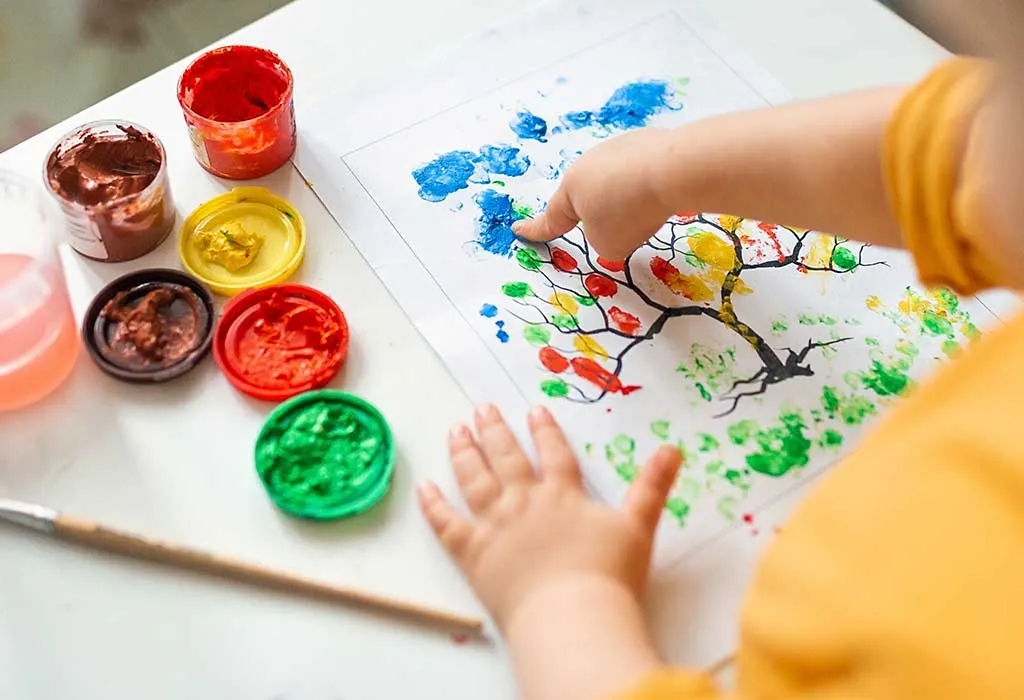
Finger painting can get a little messy but it’s a joyful way for kids to explore colors and textures. Let them dip their fingers into paint and make swirls, dots, or patterns on paper. It helps develop fine motor control and sparks sensory exploration.
Yoga
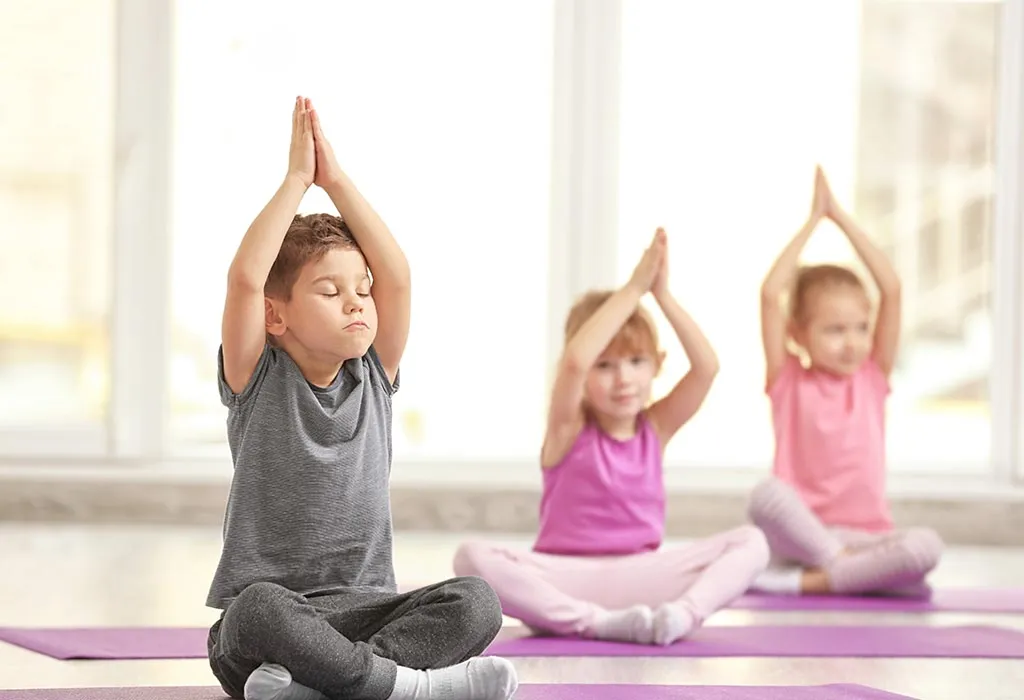
Spread out a yoga mat and show your child a few simple poses using yoga cards or pictures. Yoga helps children develop strength, balance, and flexibility.
It also encourages calmness and focus, making it a perfect indoor movement activity for all ages.
Apple Slicing
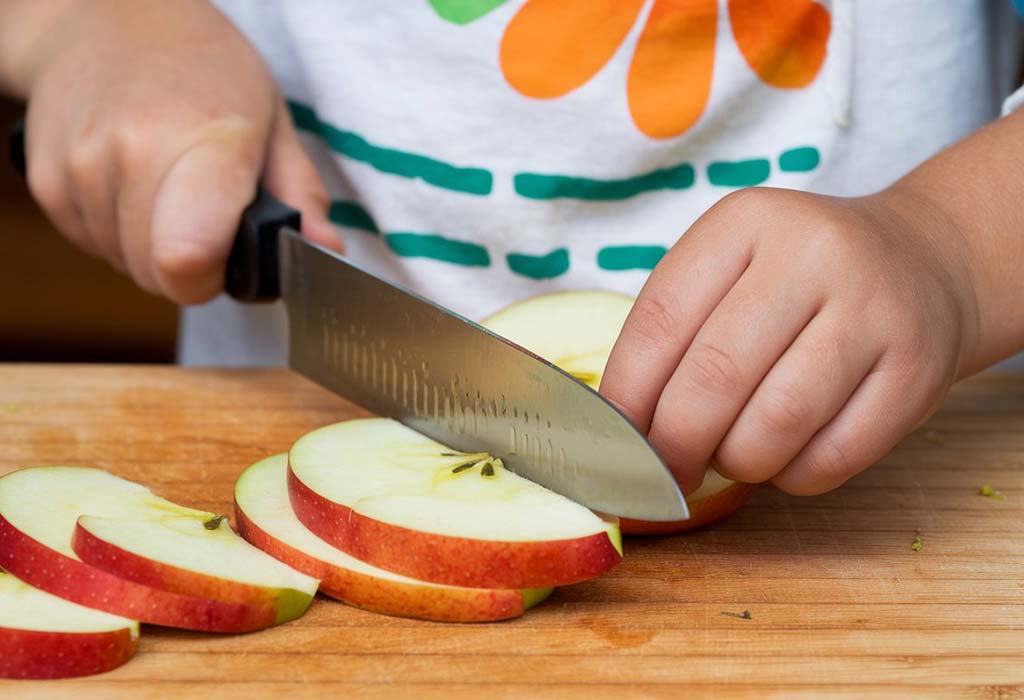
All you need for this one is a bowl of water, a scrub brush, an apple slicer, a small cutting board, and an apron. For younger children, pre-cut the apple horizontally to make it easier.
Let them slice and arrange the apple pieces themselves for a fun and tasty learning task.
Money Box and Popsicle Sticks
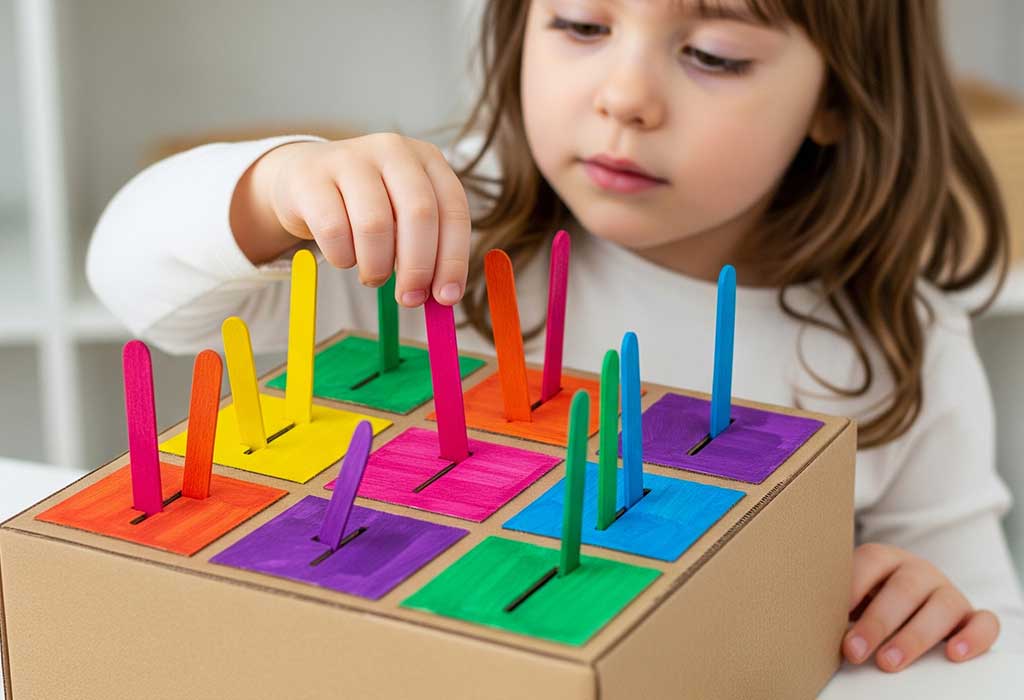
Give your child a small money box with a narrow slit and a few popsicle sticks. Ask them to slide each stick carefully through the slit. This simple activity improves hand control, concentration, and coordination while keeping them focused.
Plant Watering
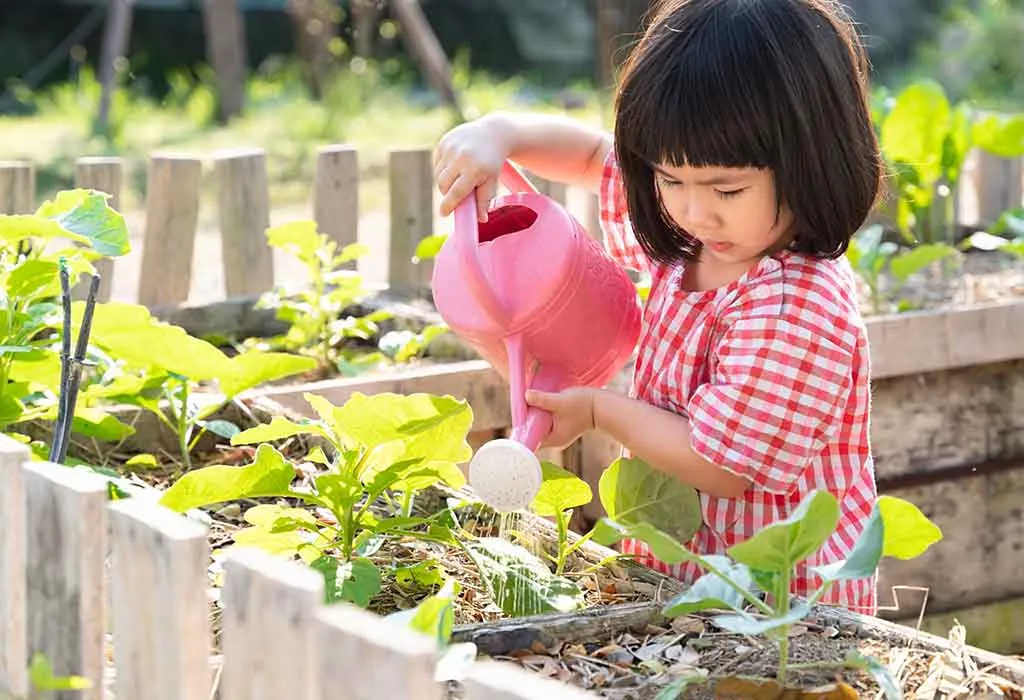
Hand your child a small watering can and show them how to check if indoor plants need water. Explain that too much or too little water can harm the plant. This activity helps children understand responsibility and care for living things.
Button Sewing
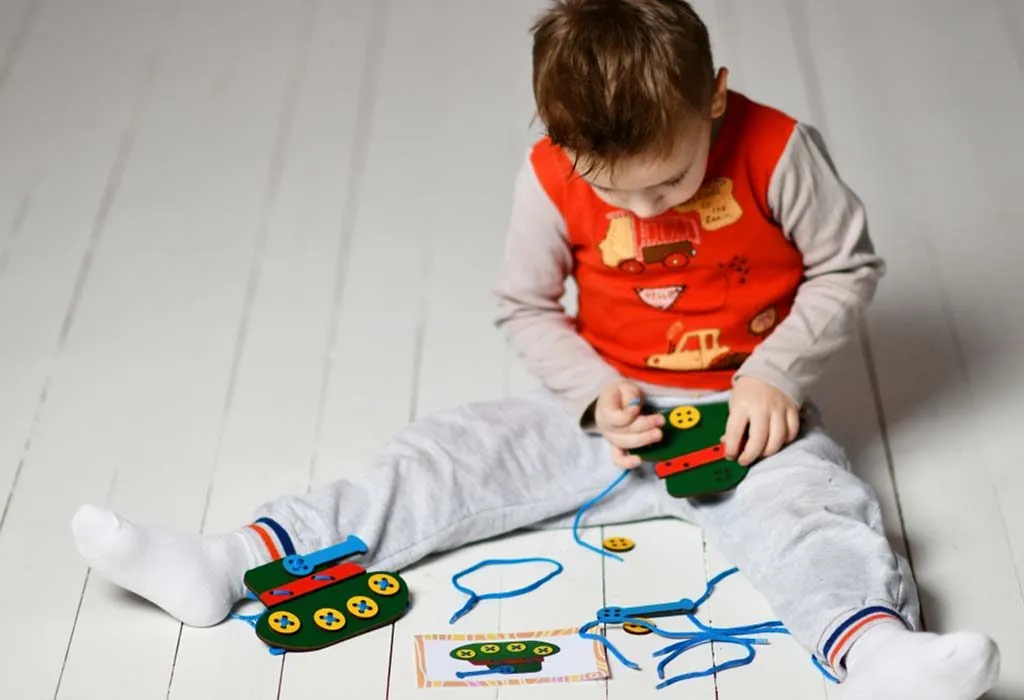
Provide a piece of fabric, a needle, and some thread. Demonstrate how to thread the needle, sew a button, and tie a knot. If your child is new to sewing, guide them gently and supervise closely.
With time, they’ll enjoy the satisfaction of sewing buttons all by themselves.
Sweeping and Mopping
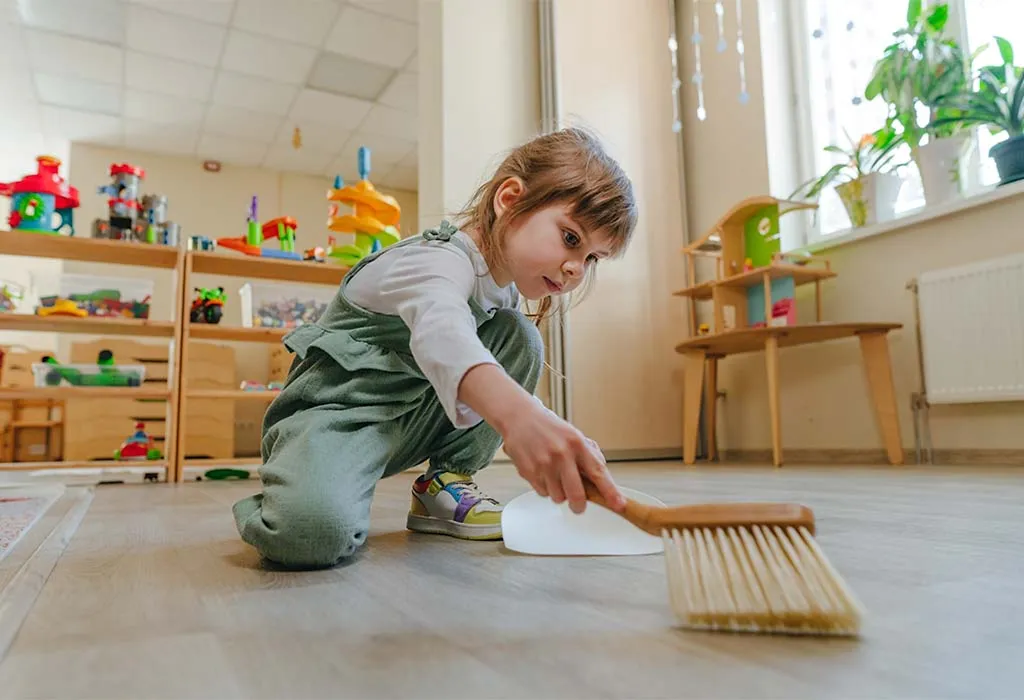
Show your child how to sweep using a small broom and dustpan. Let them watch as you collect dust and then give them a turn. You can also hand them a lightweight mop and a small bucket of water for simple floor cleaning.
This helps children feel responsible and teaches them to care for their environment while strengthening coordination.
Rhyming Games
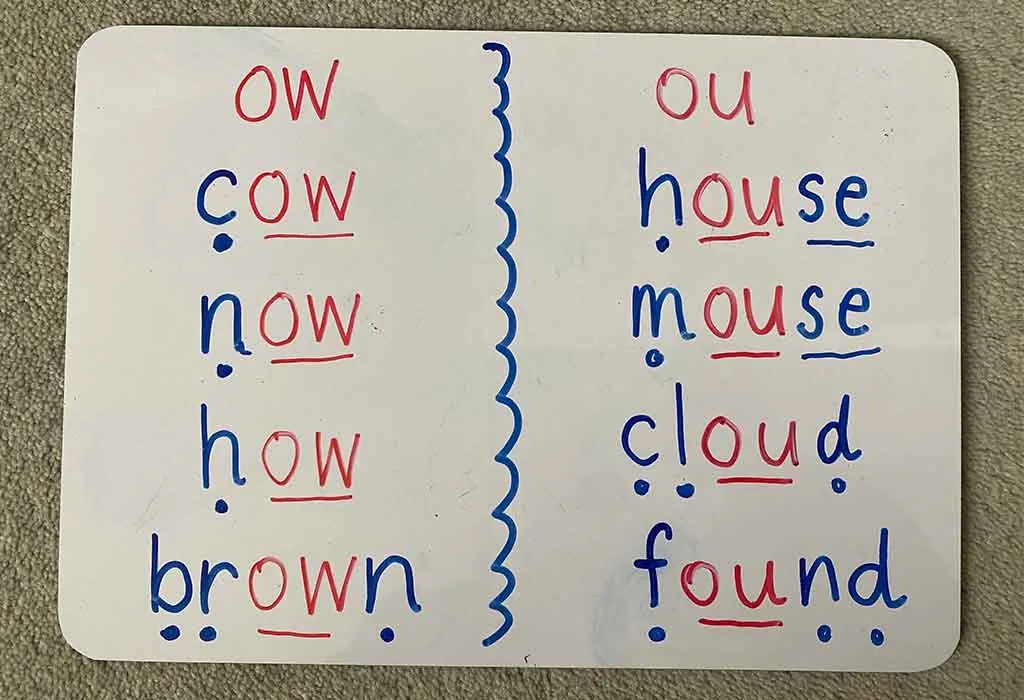
Collect small toys or household objects and invite your child to find pairs that rhyme, like ball and doll or cat and hat.
You can also take turns saying a word and challenging each other to find a rhyming one. It’s a lighthearted way to build phonetic awareness and have fun with words.
Flower Arranging
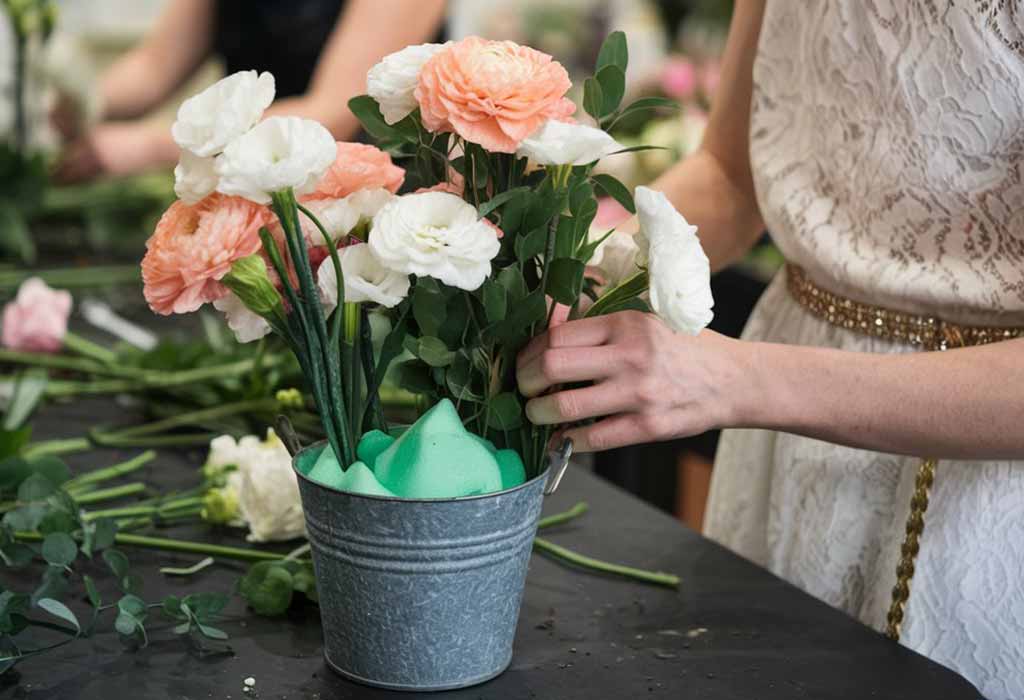
Buy an inexpensive bouquet and let your child enjoy the art of arranging flowers. Provide small vases, scissors for trimming stems, and a little pitcher of water.
Show them how to fill each vase, cut the stems, and arrange the flowers neatly. It’s a peaceful activity that helps children develop focus and creativity while beautifying their home.
Painting
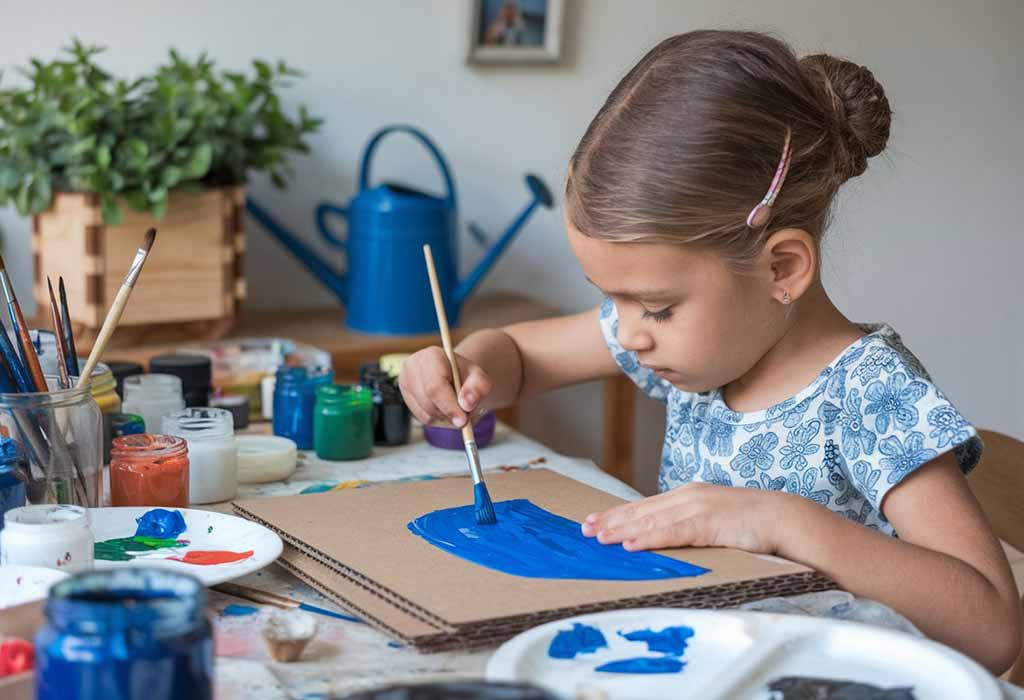
Set up a small art space for your child with a few colors, brushes, and paper. It’s best to start with just two or three colors at a time until they learn to rinse their brushes and clean spills on their own.
Painting helps children express themselves freely while improving hand control and focus.
Bring Me Game

The Bring Me game is a simple yet engaging way for kids to practice counting and following directions. Say something like “Bring me three markers” or “Bring me ten Lego bricks.”
Your child will hold the number in their head while finding the right items, which makes it both fun and mentally stimulating.
Float or Sink
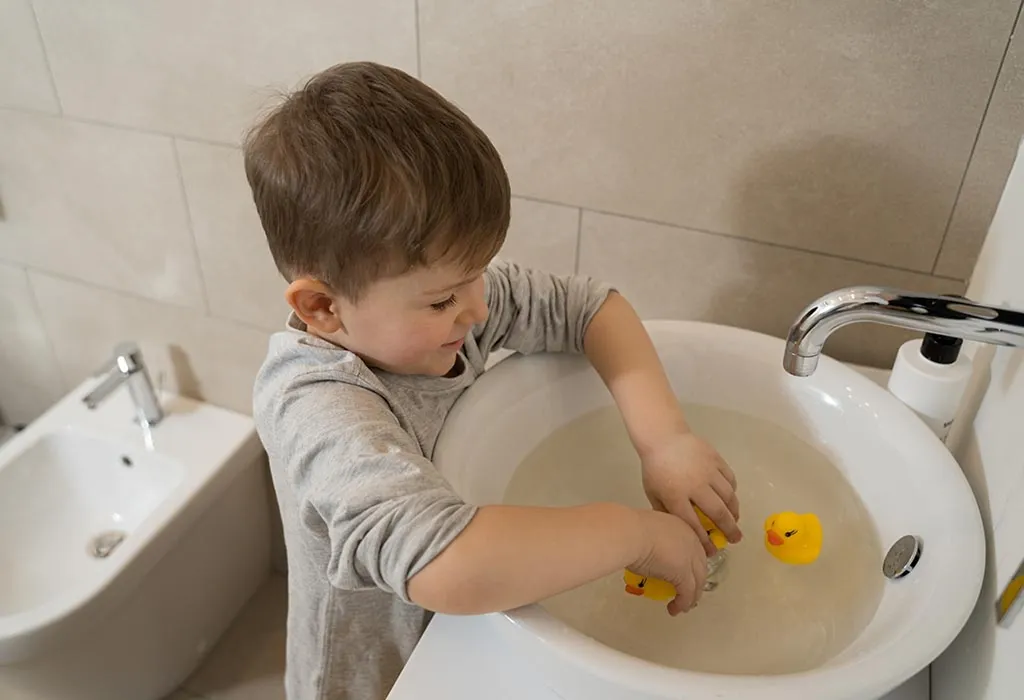
Fill a small tub or sink with water and collect a few different objects. Ask your child to predict which items will float and which will sink, then test each one to see if they were right.
It’s a simple science experiment that builds observation and reasoning skills while keeping them happily entertained.
Coins and Money Box

Give your child a money box and a few coins. Ask them to drop the coins one at a time through the narrow slit. Once they master the movement, you can raise the box slightly to make it a bit harder. It’s a fun way to practice aim and fine motor control.
Working With Clay
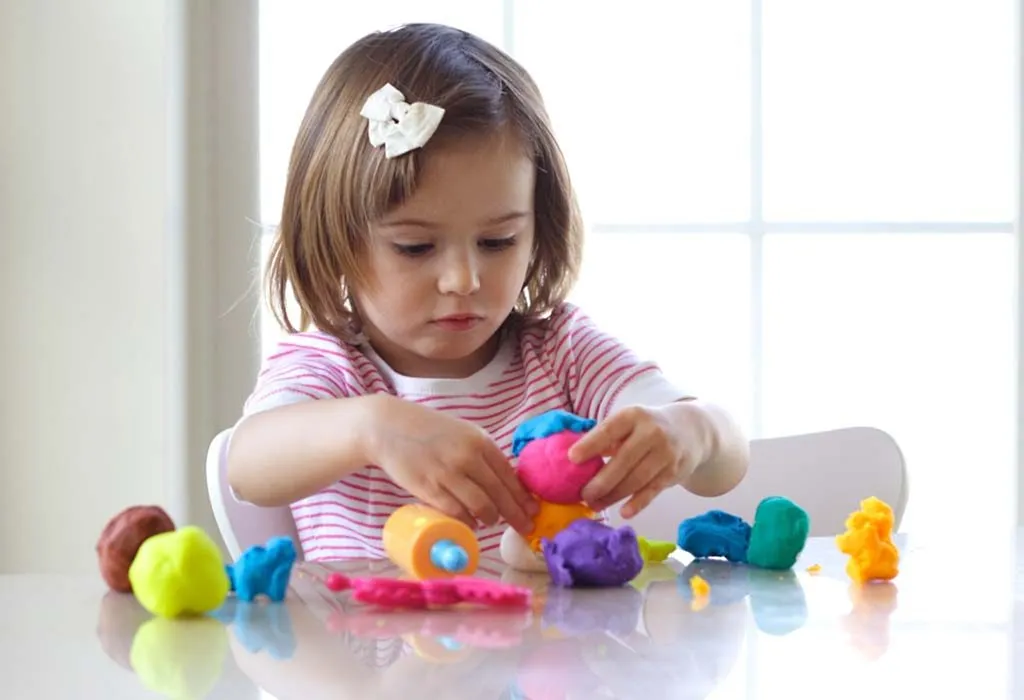
Give your child colorful clay and let them explore shaping and molding it however they like. Clay play strengthens hand muscles, builds creativity, and prepares little hands for future writing tasks. It’s a favorite among kids for its fun, tactile feel.
Stacking
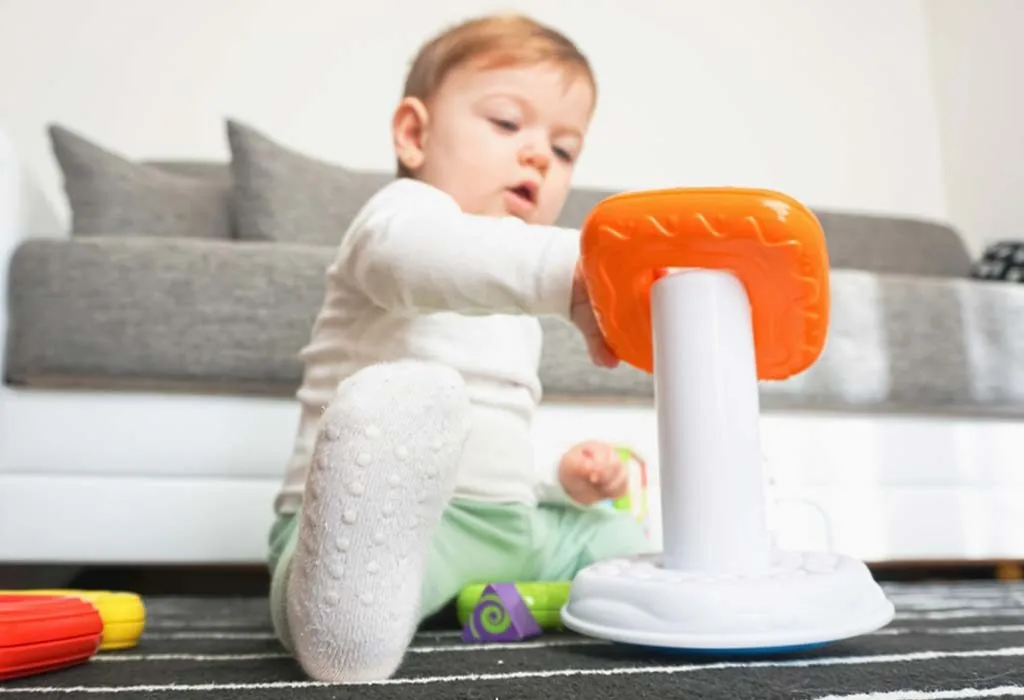
You can create a stacking toy using baby bangles and a deodorant bottle. Encourage your child to stack the bangles one by one.
To make it more exciting, ask them to toss the bangles from a short distance and try to land them on the bottle. This playful task develops coordination and balance.
Drawing and Coloring In
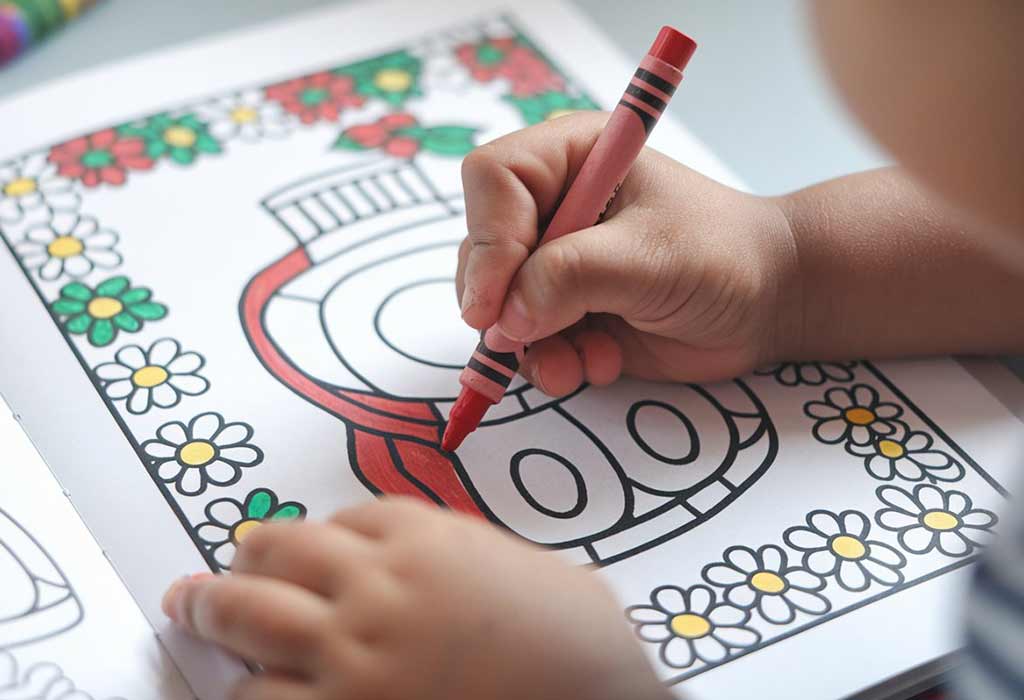
Drawing is a wonderful way to begin early writing skills. Provide your child with crayons and sheets of paper. At first, they will enjoy scribbling, and as they practice, they’ll start creating shapes, outlines, and pictures.
It’s a great confidence-building activity that encourages creativity.
Jump Rope
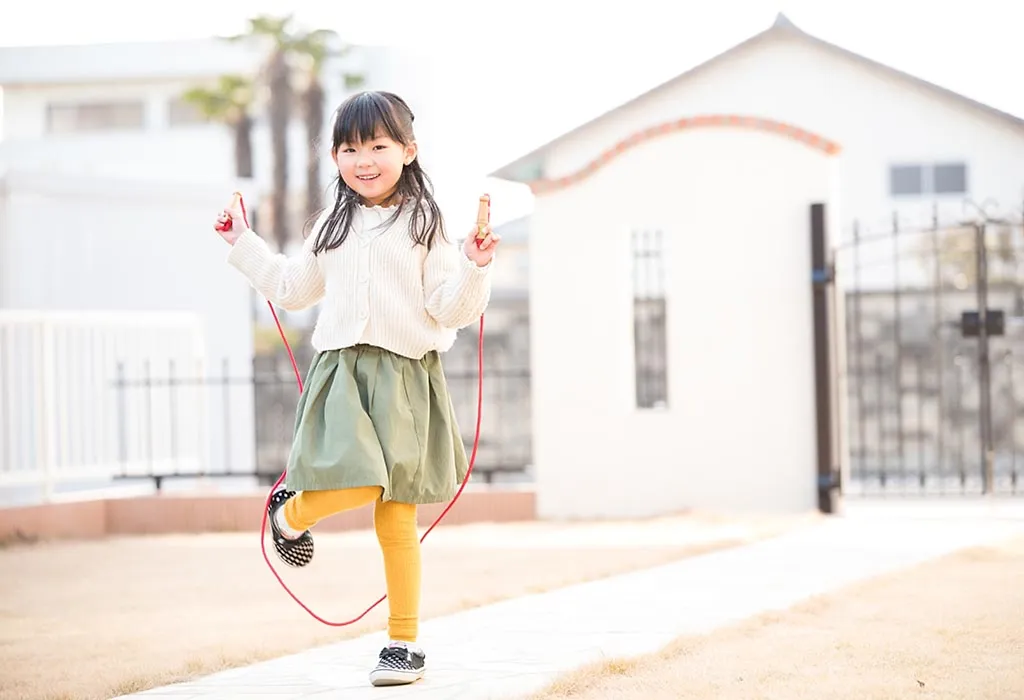
Jump rope is a simple way for children to practice balance and rhythm. Make sure they have a safe area to use it indoors or outside. Show them how to swing the rope and jump in time.
Once they get the hang of it, they’ll love the challenge of counting how many jumps they can do in a row.
Carrot Cutting
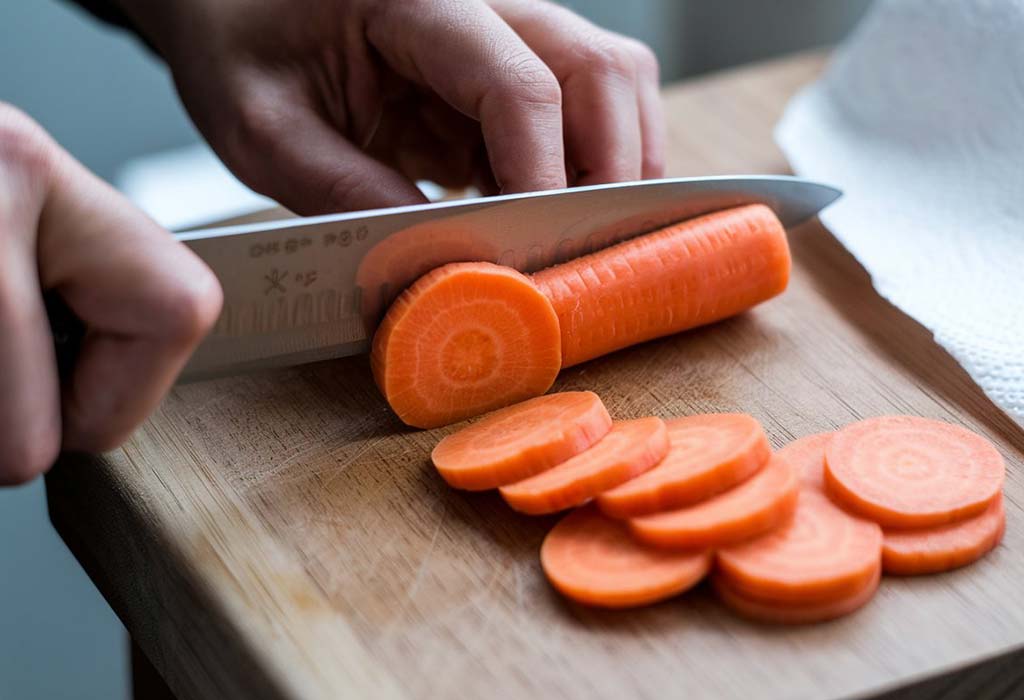
Set up a small food prep station for your child with a peeler, scrub brush, wavy chopper, small cutting board, and towel or sponge for cleanup. Show them how to wash, peel, and slice the carrot safely. Once they see how it’s done, let them try it on their own.
Household Labels
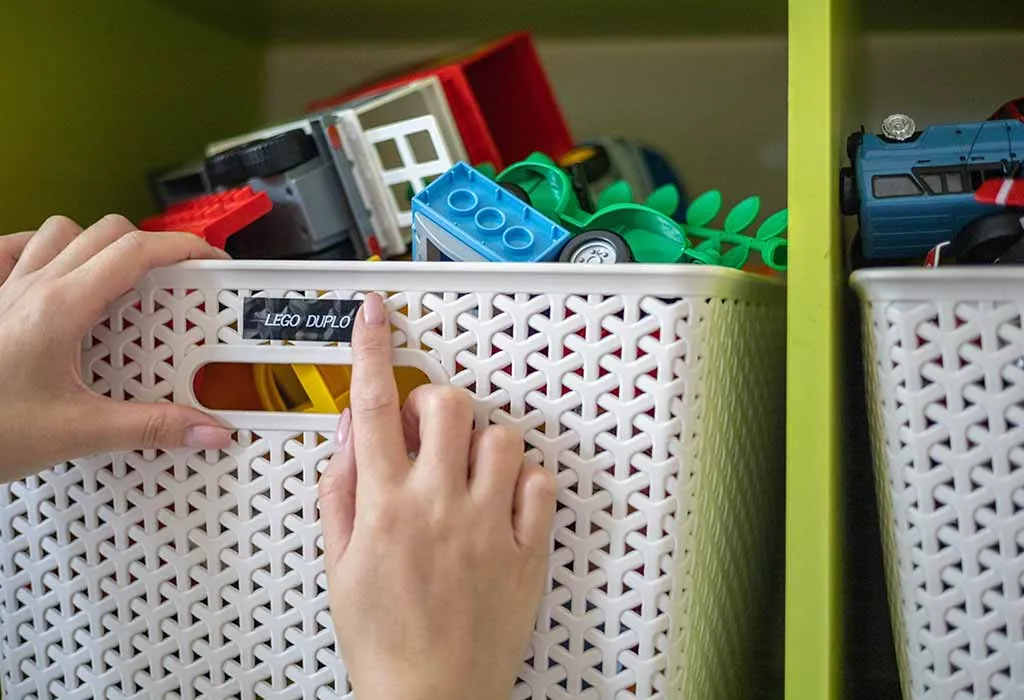
If your child has started reading, make small paper labels for simple household objects like a cup, a box, or a door. Let them match each label to the correct item.
Gradually increase the difficulty as their reading improves. It’s a playful, hands-on way to strengthen word recognition and confidence.
Window Washing
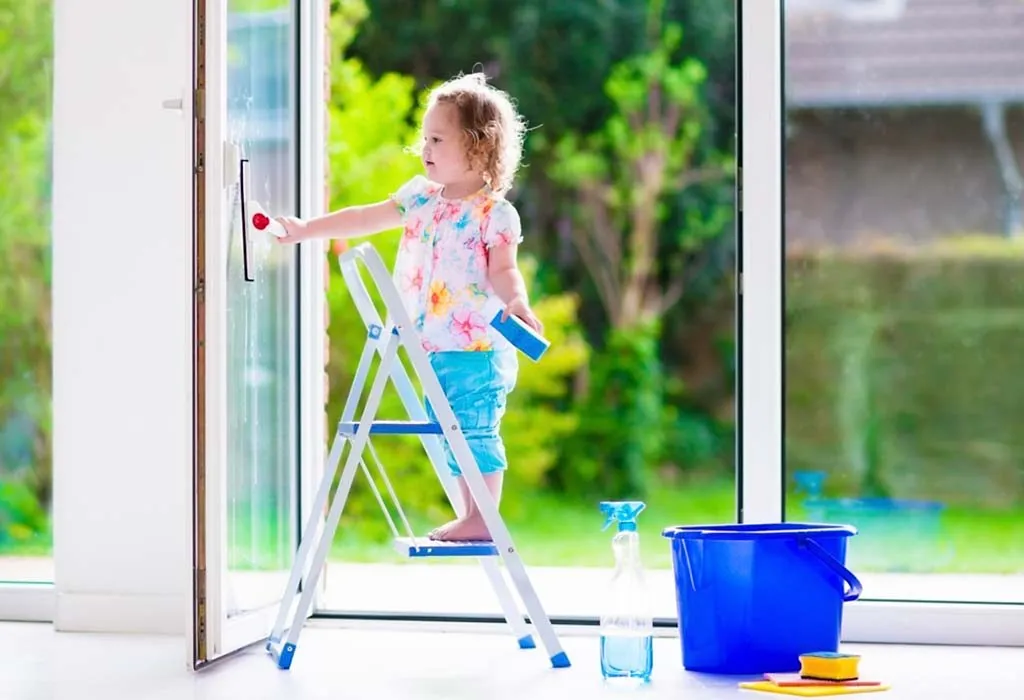
For this activity, give your child a small squeegee, a spray bottle filled with water, a sponge, and a slightly dirty window or mirror. Show them how to spray, wipe, and use the squeegee.
This activity is a favorite in Montessori classrooms because it combines movement, focus, and independence.
Conclusion
These Montessori learning activities offer endless ways for children to explore, create, and grow while having fun at home. From simple life tasks to creative art and science experiments, each one encourages independence, confidence, and curiosity every day.