15 Montessori Practical Life Activities | Simple Daily Skills
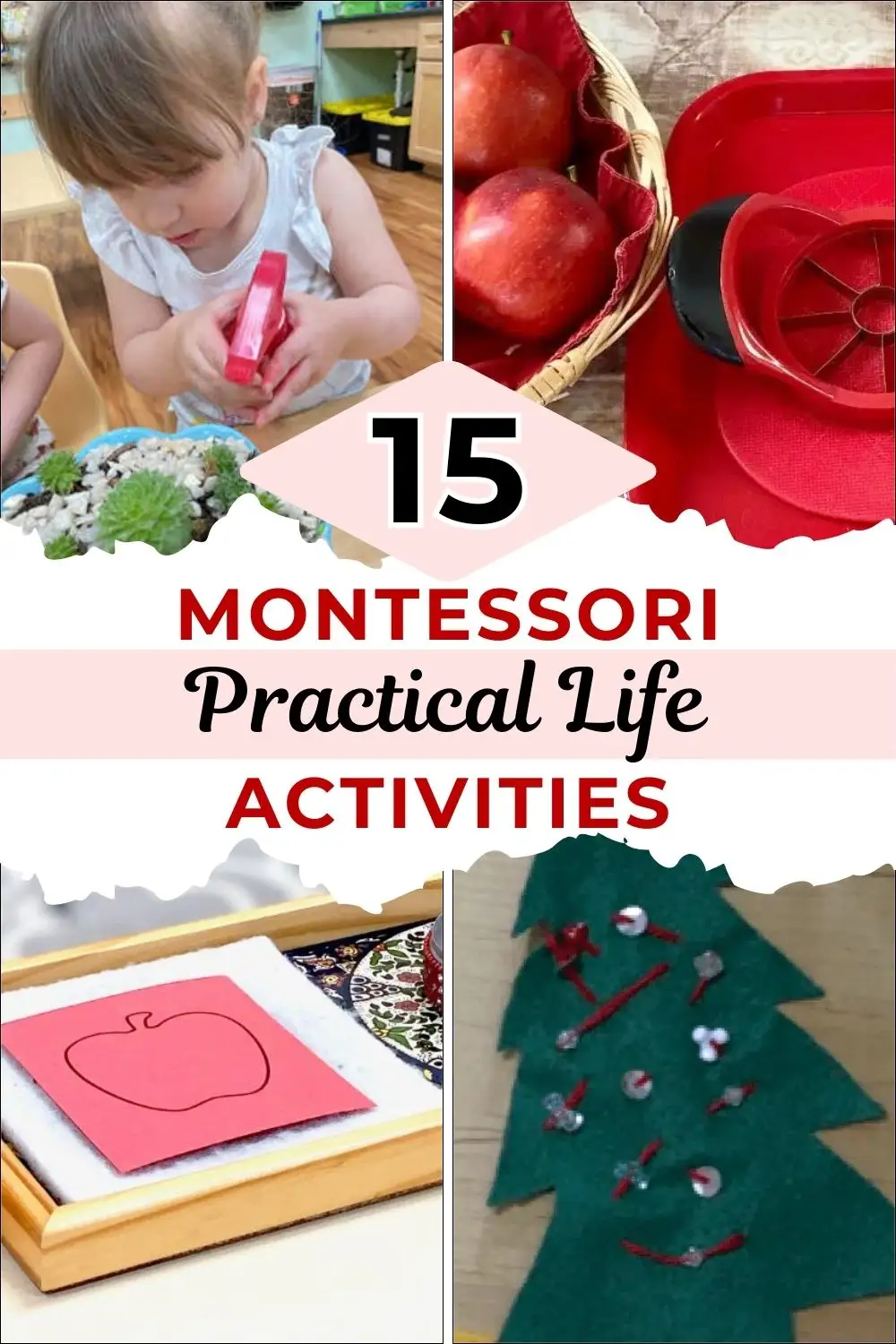
In Montessori education, Practical Life activities are all about helping little ones take care of themselves and the world around them.
These everyday tasks teach children how to get dressed, care for plants and pets, tidy up, prepare food, and move with purpose and control. Along the way, they also learn kindness, patience, and how to handle small conflicts peacefully.
Care for the Environment
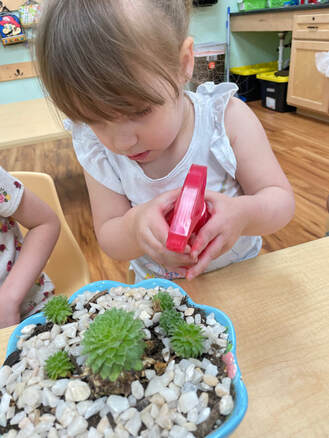
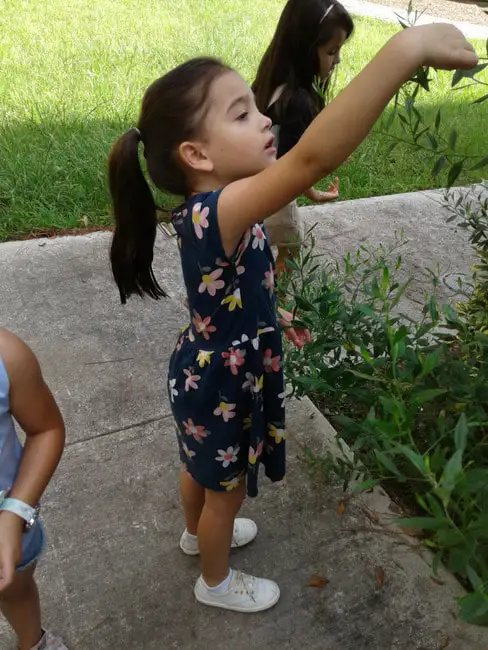
Caring for the environment starts with caring for the spaces children use every day. Montessori education helps little ones understand that keeping their surroundings clean and organized is part of respecting their community.
Children learn how to sweep, dust, and tidy their classroom. They are also encouraged to help with household chores such as preparing food, washing dishes, and drying them afterward.
These tasks teach responsibility, attention to detail, and pride in maintaining a beautiful environment.
Holiday Gifts Your Child Can Sew
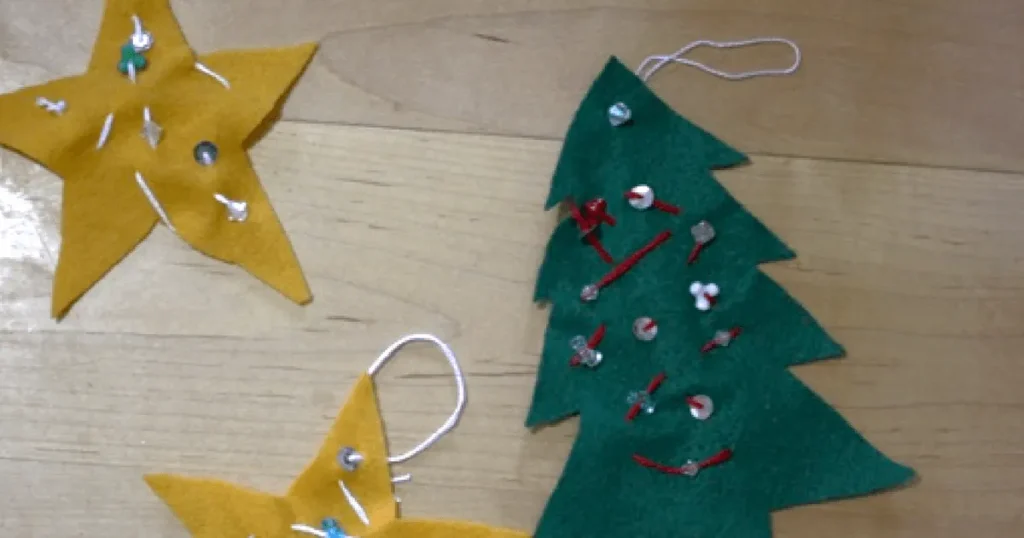
Aimee Fagan, a trained Montessori teacher and writer from the Montessori Works Blog, brings wonderful inspiration for the Practical Life area through sewing activities that children can enjoy year-round.
Her projects encourage creativity and independence while introducing children to the joy of handmade gifts. Sewing allows children to slow down, plan, and create something meaningful for someone they love.
These small projects teach patience, focus, and care while helping little ones feel capable and proud of their work. Aimee also shares her experiences raising her children in a Montessori home, blending classroom learning with real-life family connections.
Montessori Sewing Activities for Preschool
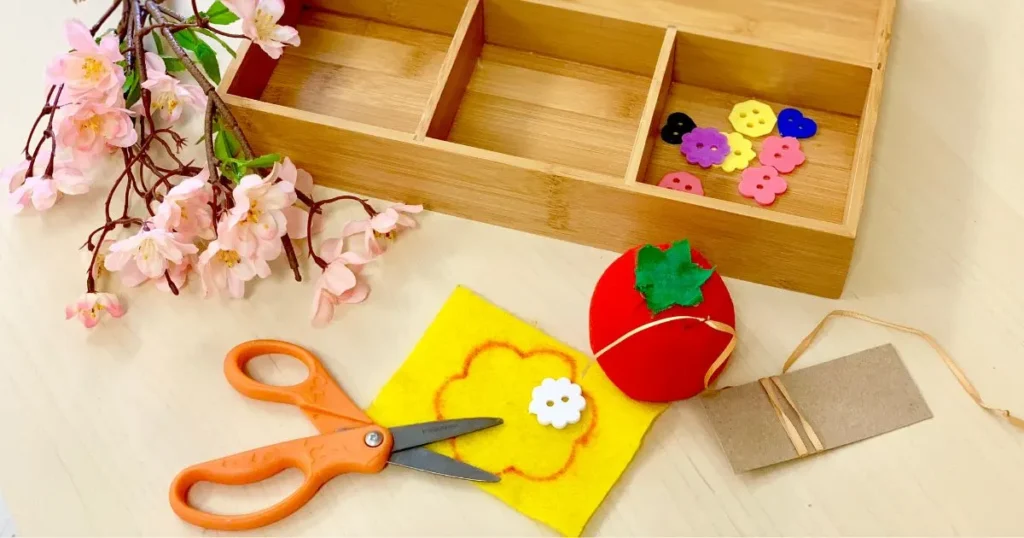
Sewing activities in a Montessori setting teach more than just stitching. Preschoolers learn to problem-solve, think critically, and use their hands with care.
With child-safe needles, soft fabric, and large thread, children begin to understand how parts come together to make something whole. Sewing builds both creativity and coordination while giving little ones a sense of pride in finishing something they can hold and use.
Preliminary Exercises
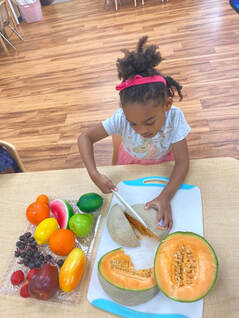
In Montessori classrooms, children begin with simple practical tasks that strengthen their fine motor skills and prepare them for more complex lessons later on. Activities like sorting small objects, threading beads, and neatly putting items away after use teach both coordination and responsibility.
At Blossoms Montessori, children are also invited to prepare their own snacks as part of their daily routine. They practice spooning food, pouring drinks, and serving themselves with care, which gives them confidence and independence during mealtime.
Montessori Food Preparation
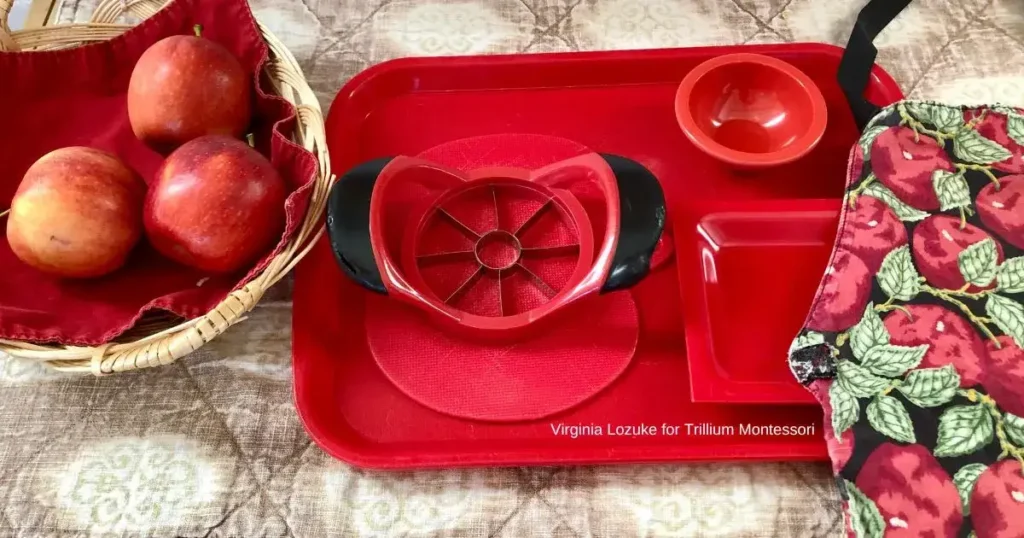
Food preparation in Montessori classrooms teaches children real-life skills in a joyful, hands-on way. Using small, child-sized tools, they slice soft fruits, spread jam on bread, and pour drinks for themselves and others.
These simple acts build confidence, independence, and responsibility. At the same time, children practice focus, fine motor skills, and healthy eating habits.
Learning to prepare food also deepens respect for the effort that goes into each meal and encourages a love for wholesome choices.
Grace and Courtesy in Montessori
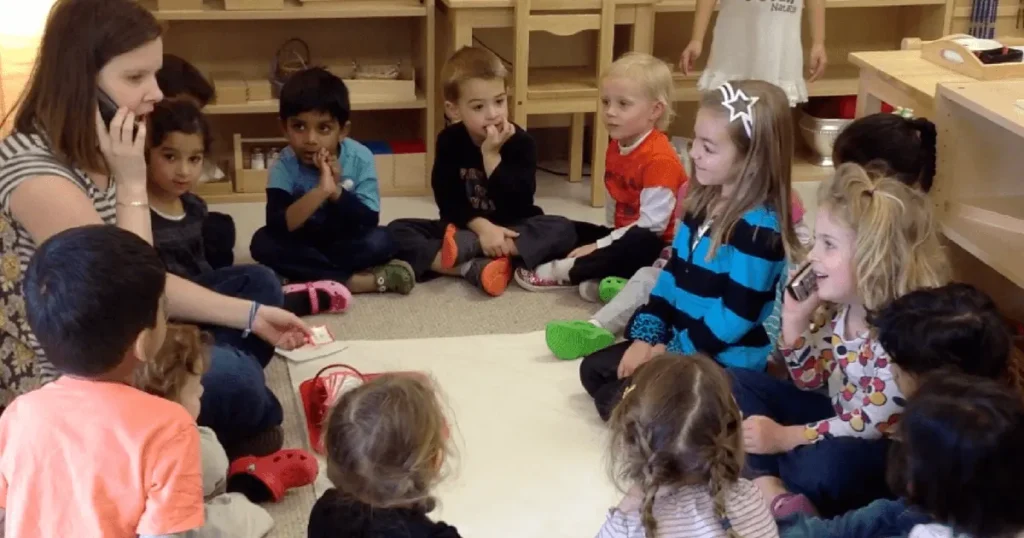
Grace and Courtesy is an essential part of the Montessori philosophy. These lessons guide children to move through the world with respect, empathy, and kindness. They practice how to greet others, wait their turn, and listen carefully.
Simple interactions, like offering help or saying thank you, become part of everyday classroom life. Over time, children learn that good manners and gentle communication help create a peaceful, respectful community where everyone feels valued.
Grace and Courtesy
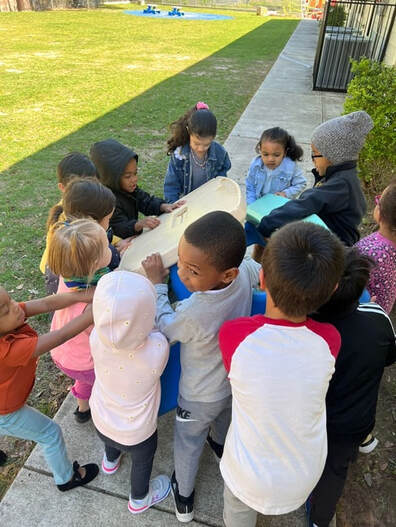
Montessori classrooms place great importance on teaching grace and courtesy as part of everyday learning. Children practice polite communication, table manners, and thoughtful gestures such as walking slowly, moving chairs quietly, and closing doors gently.
These small but meaningful lessons help children build self-control, respect, and social awareness. By learning to treat others kindly and behave considerately, they develop the social skills needed to build peaceful and cooperative relationships.
Cooking in the Montessori Classroom
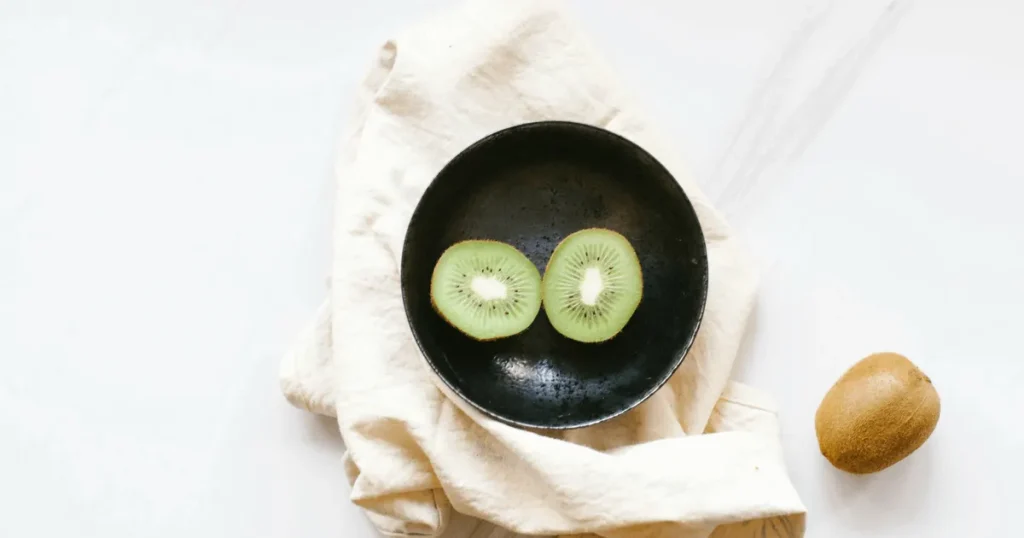
Food preparation and cooking are some of the most joyful activities in a Montessori environment. These lessons allow children to explore new textures, scents, and flavors while learning essential life skills.
Many teachers prefer to create individual food preparation trays that children can choose and complete independently rather than group projects. This setup allows each child to move at their own pace, follow steps carefully, and experience the satisfaction of preparing something on their own.
Cooking teaches patience, coordination, and responsibility while making learning feel real and meaningful.
A Year of Montessori Fine Motor Shelves
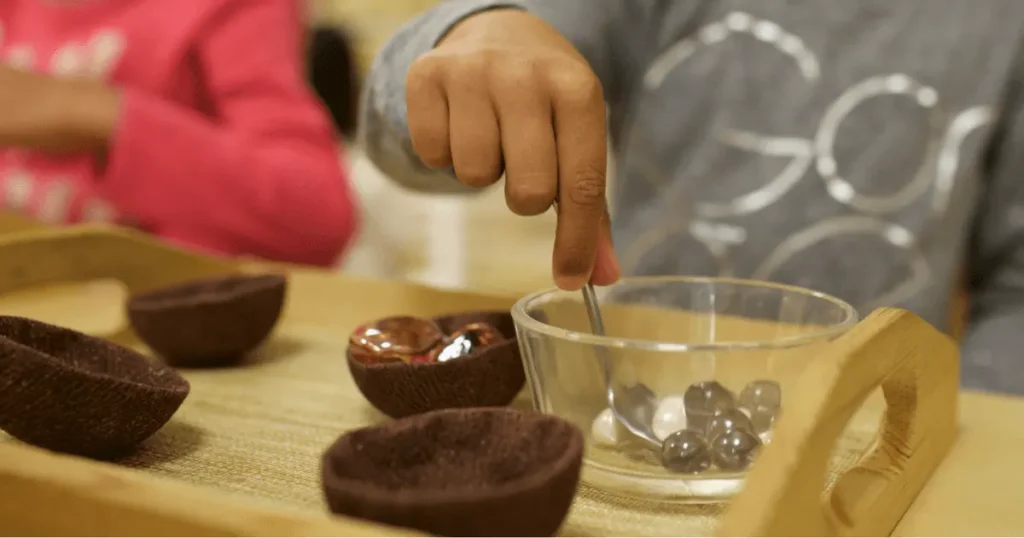
The Practical Life area of the Montessori curriculum gives children endless opportunities to develop fine motor skills while doing real, purposeful tasks. These activities might include pouring water, cleaning a table, or preparing a snack.
Each movement helps refine coordination and concentration. Some teachers also create fine motor shelves that rotate through the seasons, offering new textures, tools, and colors for little hands to explore.
This year-round approach keeps learning fresh and engaging while reinforcing everyday skills that build independence and confidence.
Honey Bees: Cooking in the Montessori Children’s House
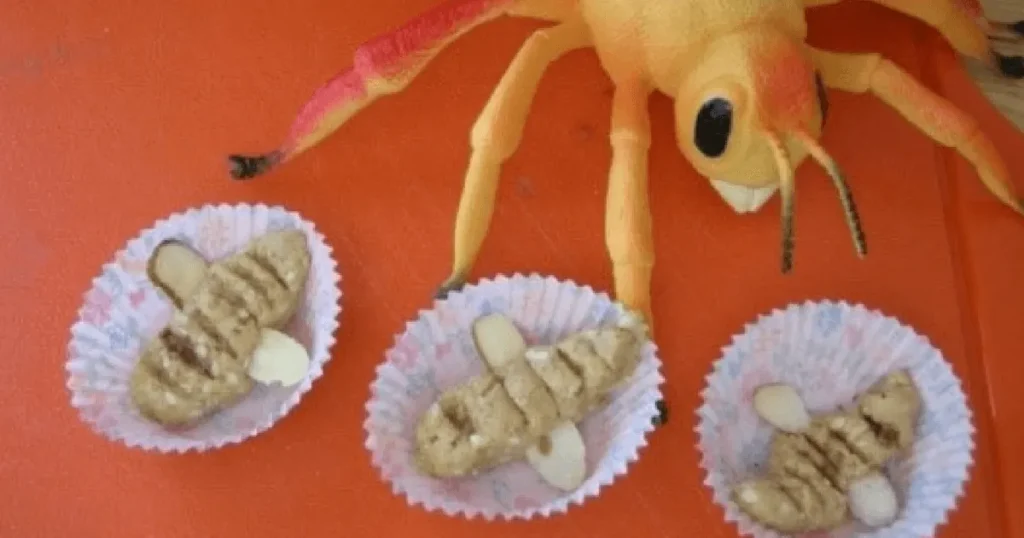
This activity from the Cooking in the Children’s House series by Megan Ray Durkin brings together food preparation, nature, and stewardship.
Megan’s goal is to help children see themselves as caretakers of the earth and thoughtful citizens of the world. Her projects encourage connection between everyday actions and a respect for life.
Through hands-on cooking inspired by honey bees, children learn that the food we eat comes from nature’s careful balance and the hard work of living creatures. These lessons help nurture both gratitude and environmental awareness.
Lauren’s Montessori Classroom: Practical Life
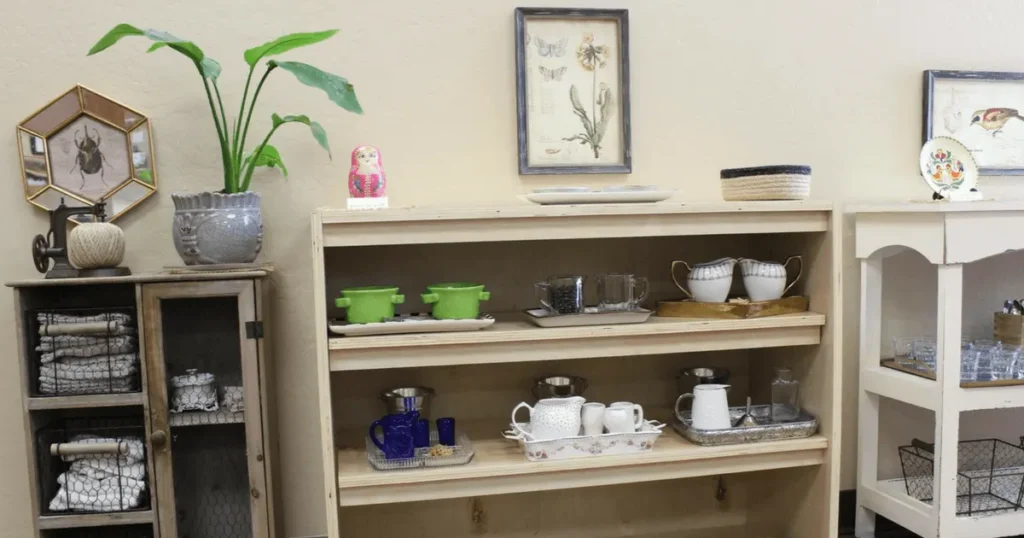
Lauren Franchek’s Montessori classroom beautifully captures the heart of the Practical Life area. Her shelves are filled with materials that invite children to explore care, coordination, and order.
Each tray is arranged with thoughtful attention to beauty and purpose. From pouring and polishing to flower arranging and sweeping, every activity encourages independence and focus.
The Practical Life area often becomes the place where children settle into calm concentration and pride in their work. Lauren’s eye for design helps make learning feel peaceful and inviting.
Care for the Person
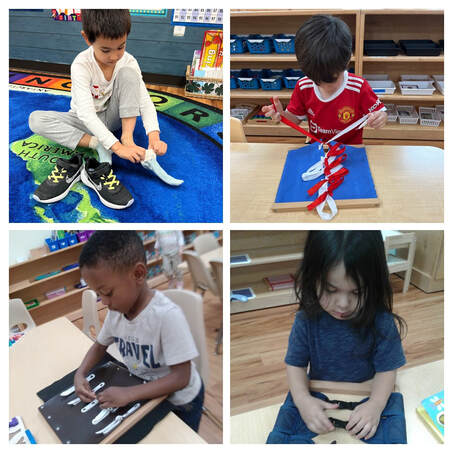
One of the core goals of Montessori education is to help children become independent and capable in their daily routines. At an early age, students learn to dress themselves, tie their own shoelaces, and care for their personal hygiene.
Washing hands before meals and after activities becomes a natural habit. Nutrition lessons also help children make healthy choices and understand how caring for their body supports their growth and energy throughout the day.
Social Stories
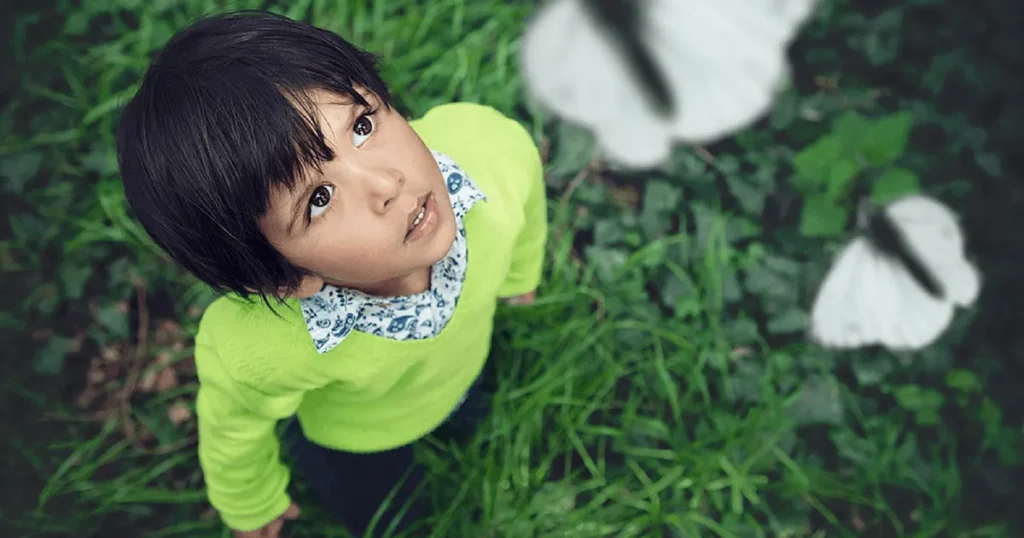
Social Stories are a wonderful tool for supporting grace and courtesy lessons in Montessori classrooms. This concept, introduced by Pat Getz at the Montessori School of Syracuse, helps children understand social situations through storytelling.
Each story gently guides them on how to navigate real-life interactions with kindness and confidence. Whether it’s learning to share, join an activity, or resolve a disagreement, Social Stories provide a safe and relatable way to practice empathy and self-expression.
They strengthen a child’s ability to connect, communicate, and respond thoughtfully in a community setting.
Montessori Push Pinning Activities
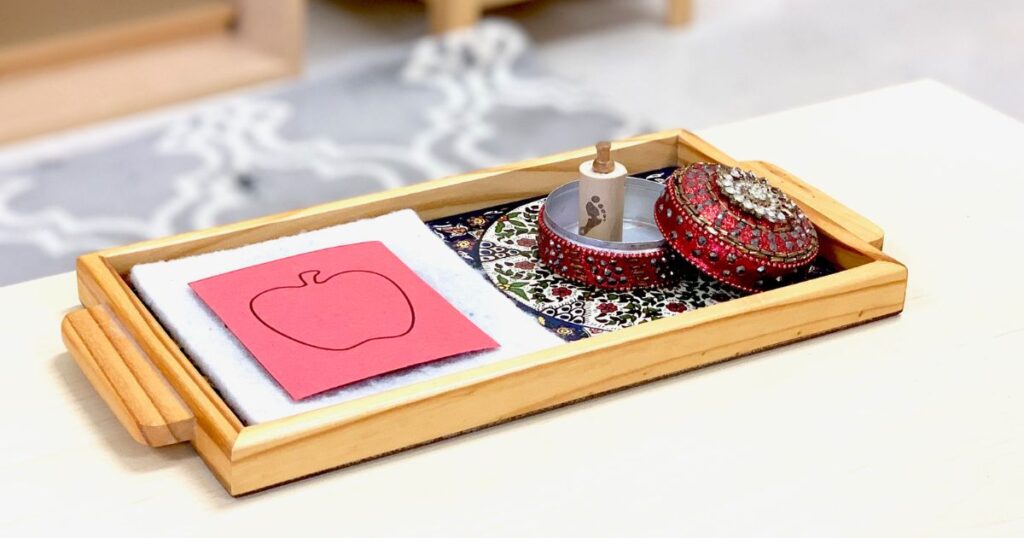
The Montessori push pinning, or pin punching activity, helps children develop fine motor control and concentration. In this exercise, a child uses a small push pin or punching tool to carefully trace the outline of a shape or pattern on paper.
Each tiny motion strengthens the hand muscles used for writing and cutting later on. As they poke along the edges, children practice patience and focus while watching their work take form.
Montessori in the Kitchen
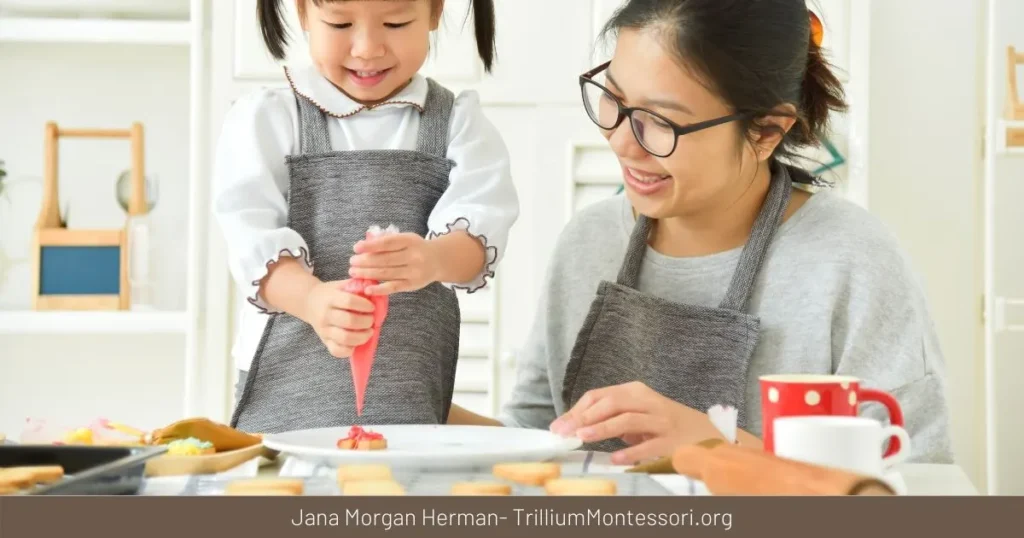
The kitchen is one of the most exciting spaces for Montessori learning. It’s where children get to explore independence in a practical, sensory-rich environment.
Setting up a child-friendly kitchen area with low shelves, small pitchers, and easy-to-reach tools allows them to prepare snacks, wash dishes, and tidy up after themselves.
Cooking together builds confidence and teaches responsibility while bringing a sense of warmth and connection to family routines.