15 Small Toddler Bedroom Ideas: Space Saving
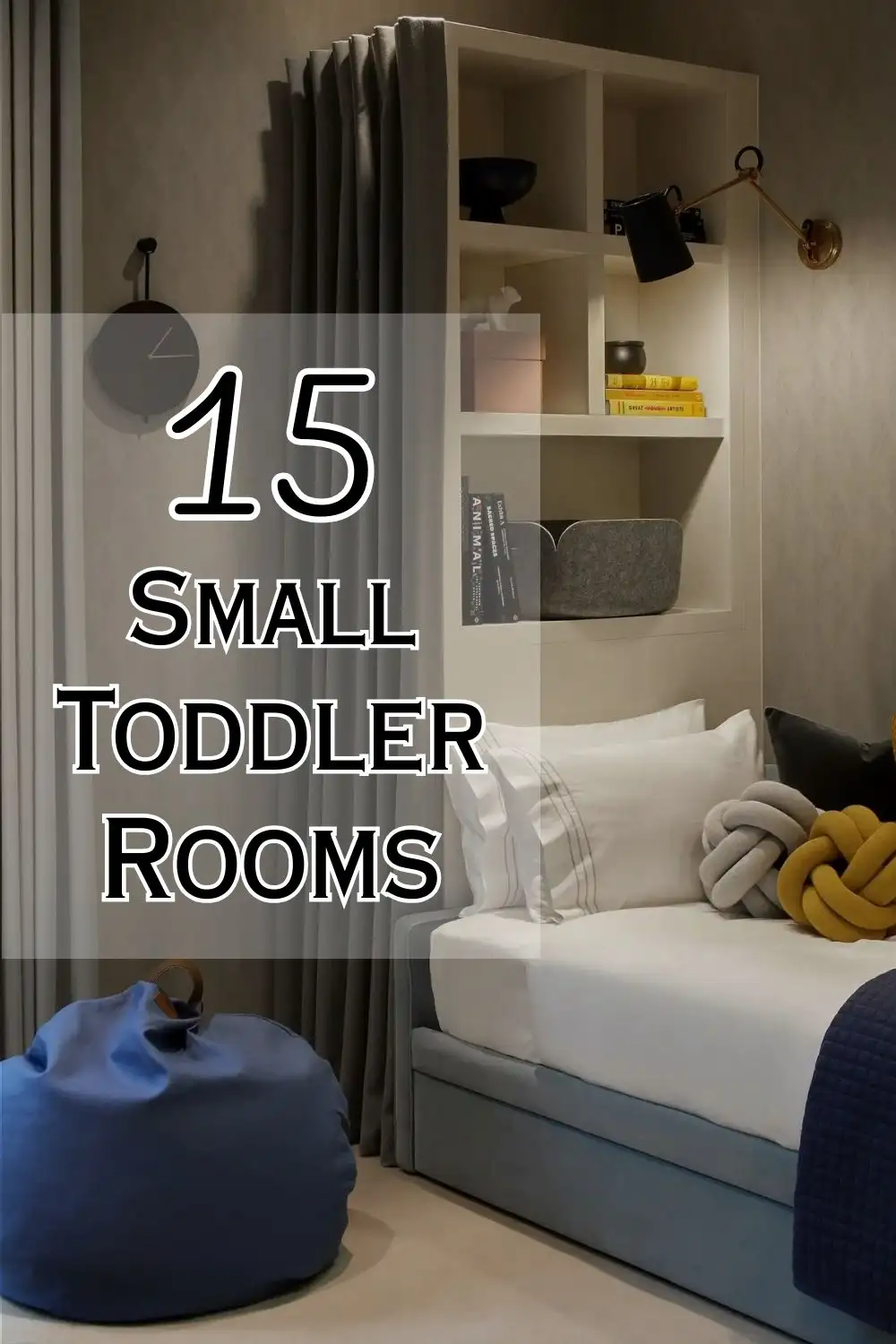
Designing a small bedroom for your little one can be a sweet challenge. You want their space to feel bright, fun, and organized, yet still cozy enough for sleep and play. When the room is short on square footage, every inch counts, and that’s where a little creativity comes in.
Smart storage, flexible furniture, and playful touches can completely transform a tiny room. Built-ins are often a lifesaver, helping you use every corner while keeping clutter tucked away.
As kids grow, their needs shift quickly, so it’s helpful to choose pieces that can adapt, think adjustable shelves, beds with storage underneath, or furniture that can evolve over time.
With a bit of planning, your child’s bedroom can become a place that works beautifully for playtime now and homework later. Below, you’ll find space-smart ideas that balance style and practicality for every stage of childhood.
Choose Dark Colors for a Cocooning Effect
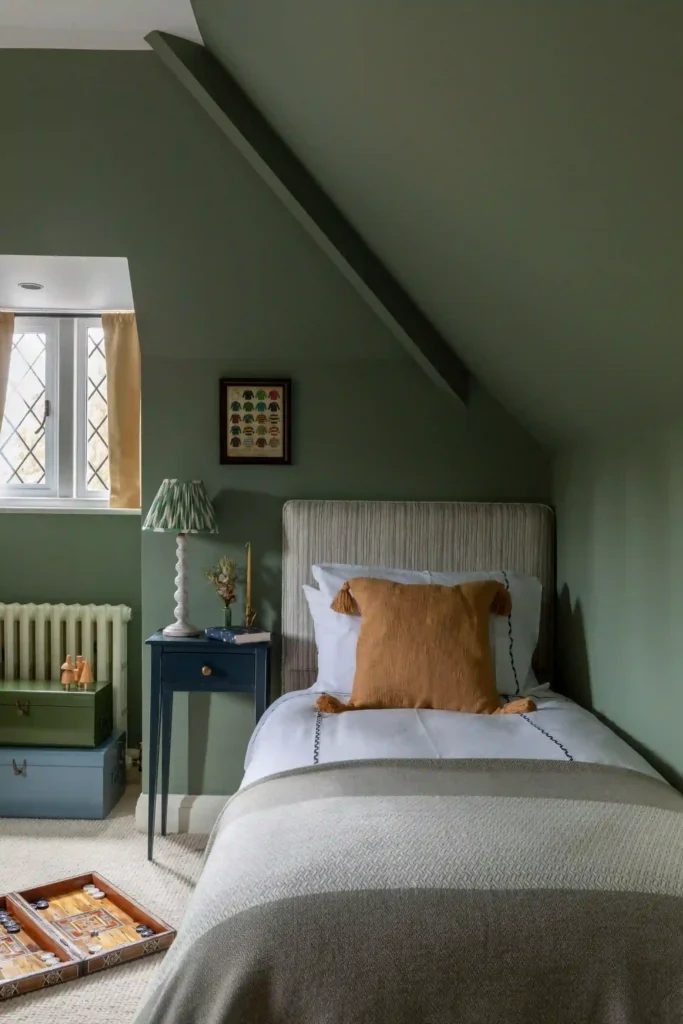
Attic bedrooms or tucked-away spaces can feel especially cozy with the right color palette. Darker hues create a snug, comforting atmosphere that kids love.
“These attic rooms have a cocooning feel,” says Katie Lion, senior interior designer at Kitesgrove. “We highlighted the mustard tones in the headboard with matching cushions and blinds, then added contrast with deep green walls. The mix adds depth and warmth to the entire space.”
It’s proof that even small bedrooms can feel luxurious with the right use of color and layering.
Declutter Regularly and Rotate Toys
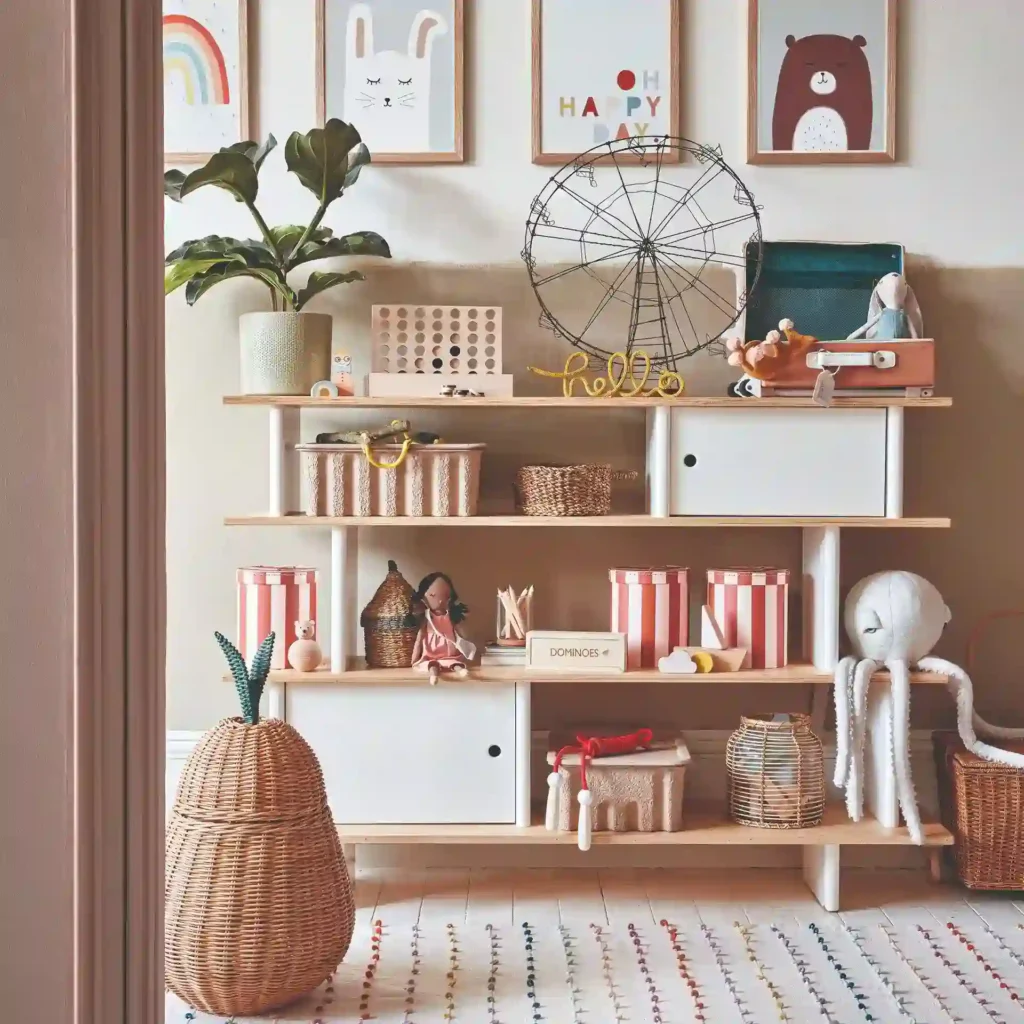
In small rooms, clutter can easily take over, making the space feel tight and messy. Regularly sorting through toys, clothes, and other belongings helps keep things manageable.
“With three small children, decluttering has become essential for me,” says Heidi Skudder. “I go through their things often so that only what’s needed stays in the room.” She also recommends rotating toys. “Having just a few out at a time keeps kids more focused and creative,” she explains. The Montessori method supports this idea by encouraging fewer toys to avoid overwhelm.
Stick to One Material to Enhance Space
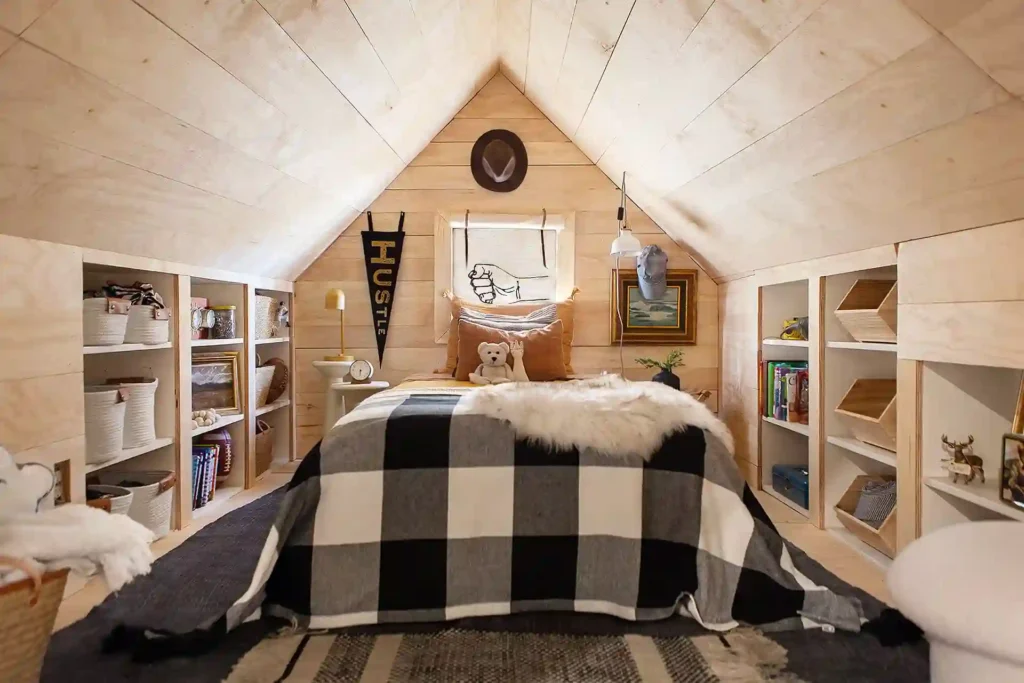
Keeping to a single material helps make a small room feel calm and cohesive. For children’s rooms, wood is a perfect choice because it adds texture and warmth without overwhelming the space.
“It’s such a tiny room that I decided to use one material for all the surfaces,” says Ginger Curtis, owner and principal designer of Urbanology Designs. “I chose maple for its light, neutral tone and organic feel. It keeps the look simple but still cozy. The bed can even be pushed flush against the wall to open up a play zone at the front of the room.”
The consistent use of one material helps create harmony while making the room appear larger and more polished.
Maximize All Storage Solutions
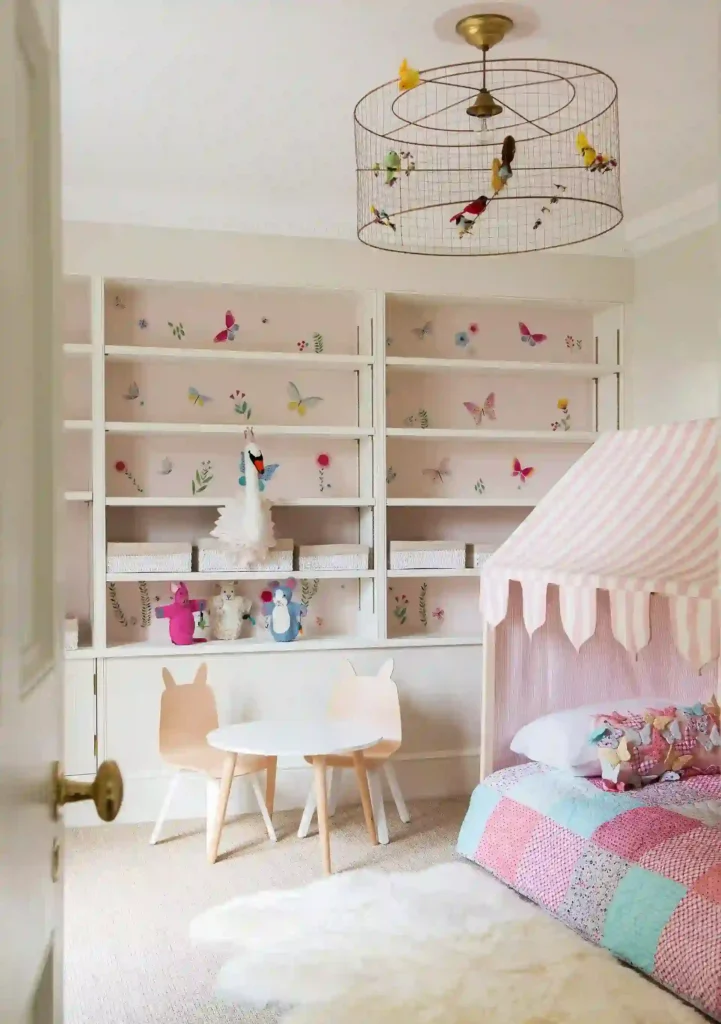
If you’ve ever organized a nursery, you already know how important smart storage can be. The same idea applies to a child’s small bedroom. Focus on toy storage and bookshelves that can grow with your child.
Adjustable shelving is perfect since it can easily shift from holding stuffed animals and storybooks to school projects and gadgets later on.
“When it comes to children’s bedrooms, one of the most important things is organization,” says Emma Deterding, founder and creative director at Kelling Designs. “With thoughtful planning, you can make the most of even the tiniest rooms, creating enough storage for clothes, toys, and all their little treasures, while still leaving space to sleep, study, and play.”
By designing early and thinking ahead, you can set up a foundation that works for years. As your child grows, it’s easy to refresh paint colors or add new decor without having to change the layout completely.
Go for Light-Coloured but Practical Flooring

Light flooring helps a room appear larger and more open, but it’s important to choose something durable and easy to clean. “An engineered wood floor brings a bright and airy feel while adding texture and warmth,” says Natalie from Knot & Grain. “Go for wide planks in a pale wood like oak and avoid heavy patterns to keep the look clean.”
Kirsty Barton from Alternative Flooring suggests a soft balance. “Light carpets can make a small room look bigger and more playful, while darker shades create a cozy feel. A subtle pattern adds color without overpowering the space and keeps the design timeless.”
Max Out Vertical Space
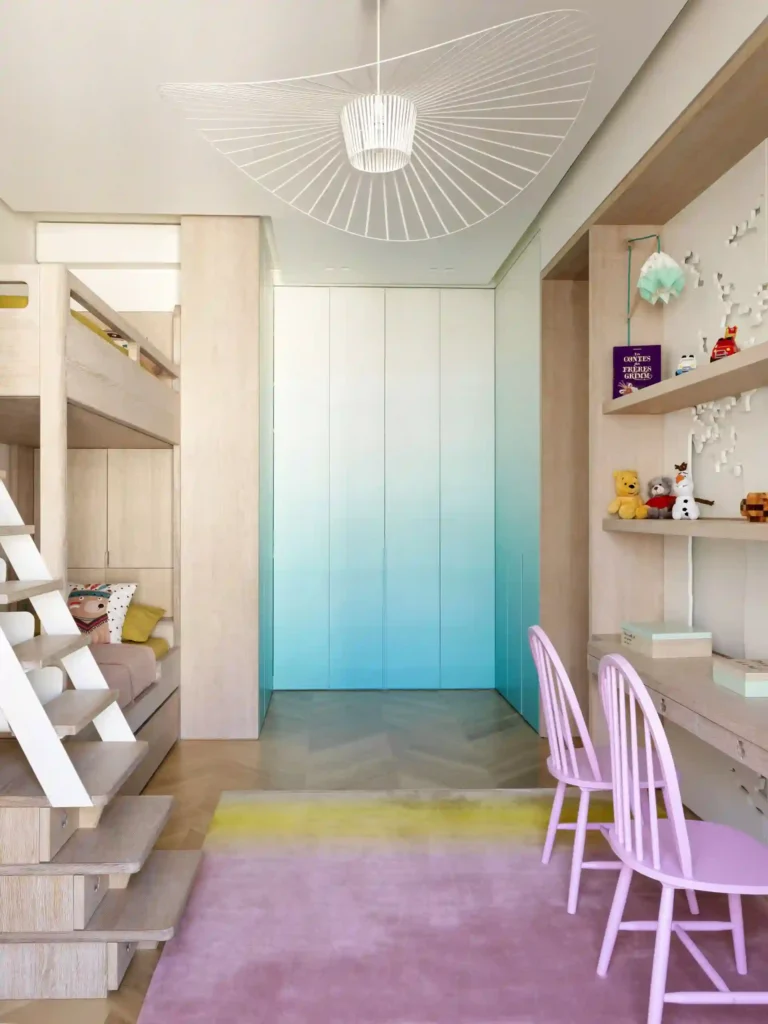
When floor space is limited, look up. Making good use of the walls can make a big difference, especially for shared rooms or those with regular sleepovers.
Loft beds are a clever way to save space, and storage that goes from floor to ceiling gives you extra room for everything from clothes to books.
Editor in Chief Lucy Searle advises keeping things light and airy. “Tall furniture can make a room feel smaller, but pale paint colors and soft wood tones help balance it out.
Try blonde wood with pastel hues for a gentle look, or use an ombre paint effect to create the illusion of height.”
Add playful details like a colorful rug to bring in personality and keep the space cheerful and inviting.
Focus on the Essentials
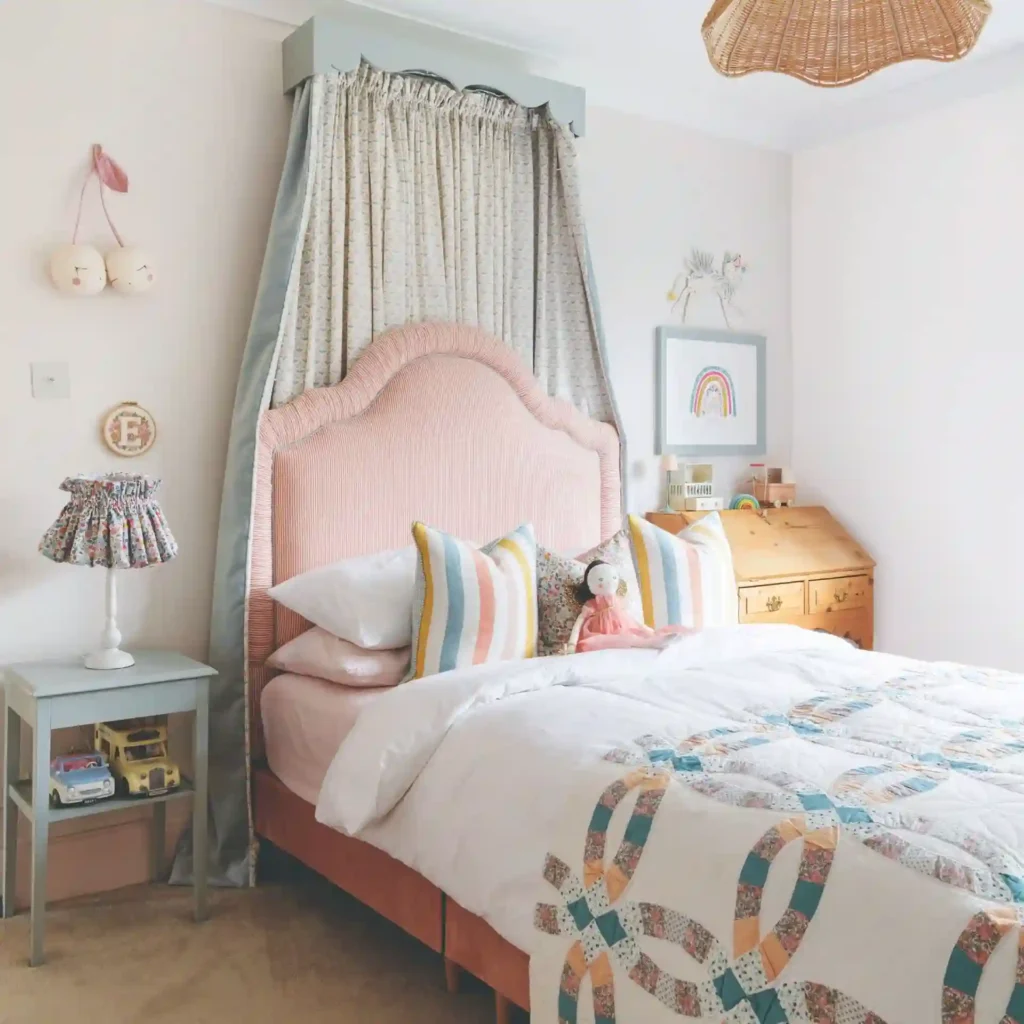
When decorating a small kids’ bedroom, less is definitely more. Too much furniture, decor, or toys can make a room feel chaotic. It’s best to stick to the basics.
“We recommend focusing on the essentials: a safe place to sleep, an open area to play, and smart storage,” says Lynn from Stokke. Keeping things minimal helps the room stay calm, comfortable, and easy to maintain.
Build a Storage Headboard to Replace Bedside Tables

In a small room, every inch matters, and the headboard area can be more useful than you might think. Instead of using bedside tables, opt for a headboard with built-in shelves or hidden compartments.
This clever approach saves space and keeps essentials close at hand.
“Our guest room is a vibrant and colorful small children’s space,” shares Laura Hammett, founder of Laura Hammett Interiors.
“We used bright yellow and blue accents to add energy, then worked with local artists to incorporate unique artwork. The mix of angular and rounded shapes in the art pieces keeps the design balanced and full of personality.”
Opt for Fun Colours
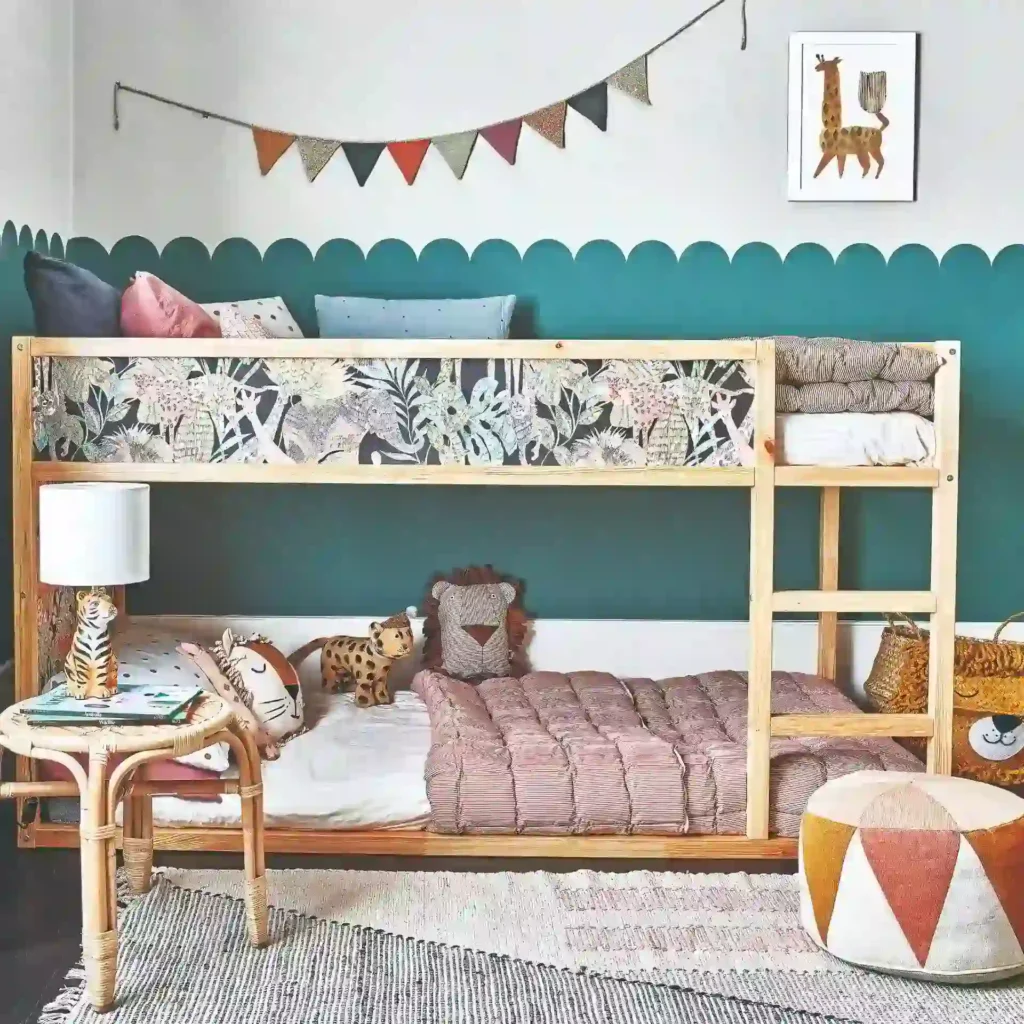
Adding personality through colour brings charm and cheer to a small room. “If you want to make the space more unique, don’t be afraid to experiment,” says Becca Stern, creative director and co-founder of Mustard Made.
“Lilac is a great option that can feel calming, playful, or elegant depending on how it’s styled.” Emma Bestley, creative director at YesColours, adds, “While blues and greens are often linked with calmness, colour impacts each child differently. It’s really about discovering what feels right for them.” The best approach is to let colour reflect your child’s personality and keep the overall vibe fun and expressive.
Hide Storage in Plain Sight
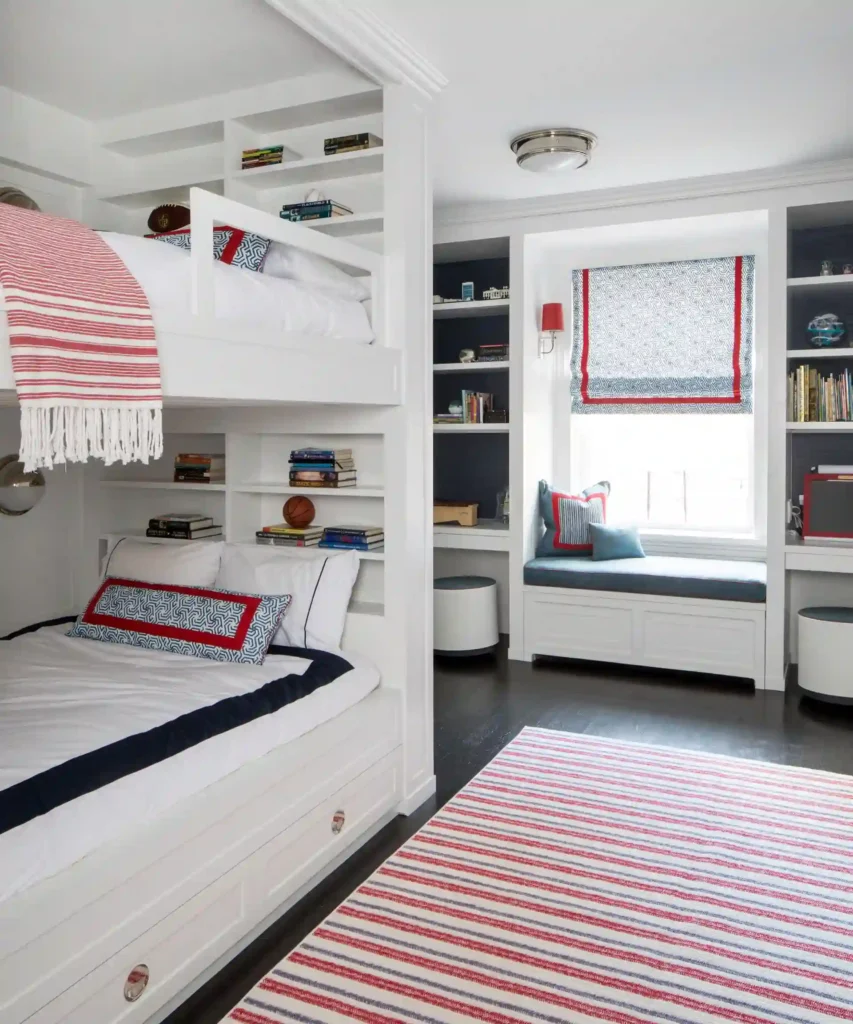
Small children’s rooms can benefit from multi-functional features like a window seat that doubles as storage. This not only provides a cozy nook for reading but also hides away clutter beautifully.
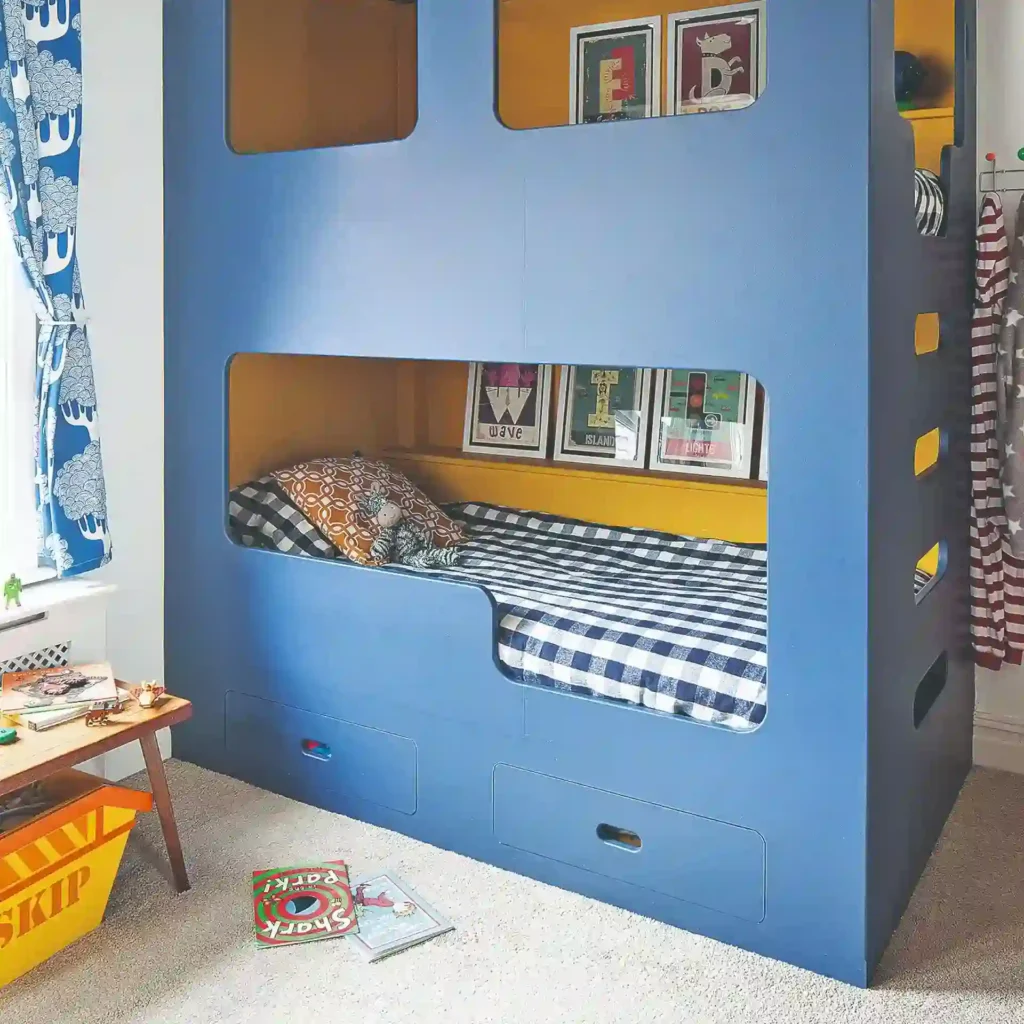
Designer Sarah Jefferys of Sarah Jefferys Architecture + Interiors explains, “In smaller rooms, I love including a bunk or loft bed that combines sleeping areas, shelving, and even a small desk. When designed well, you barely need any other furniture in the room.”
The result is a clean, open floor plan with smart storage built into every corner.
Move Some of the Toys to the Living Room
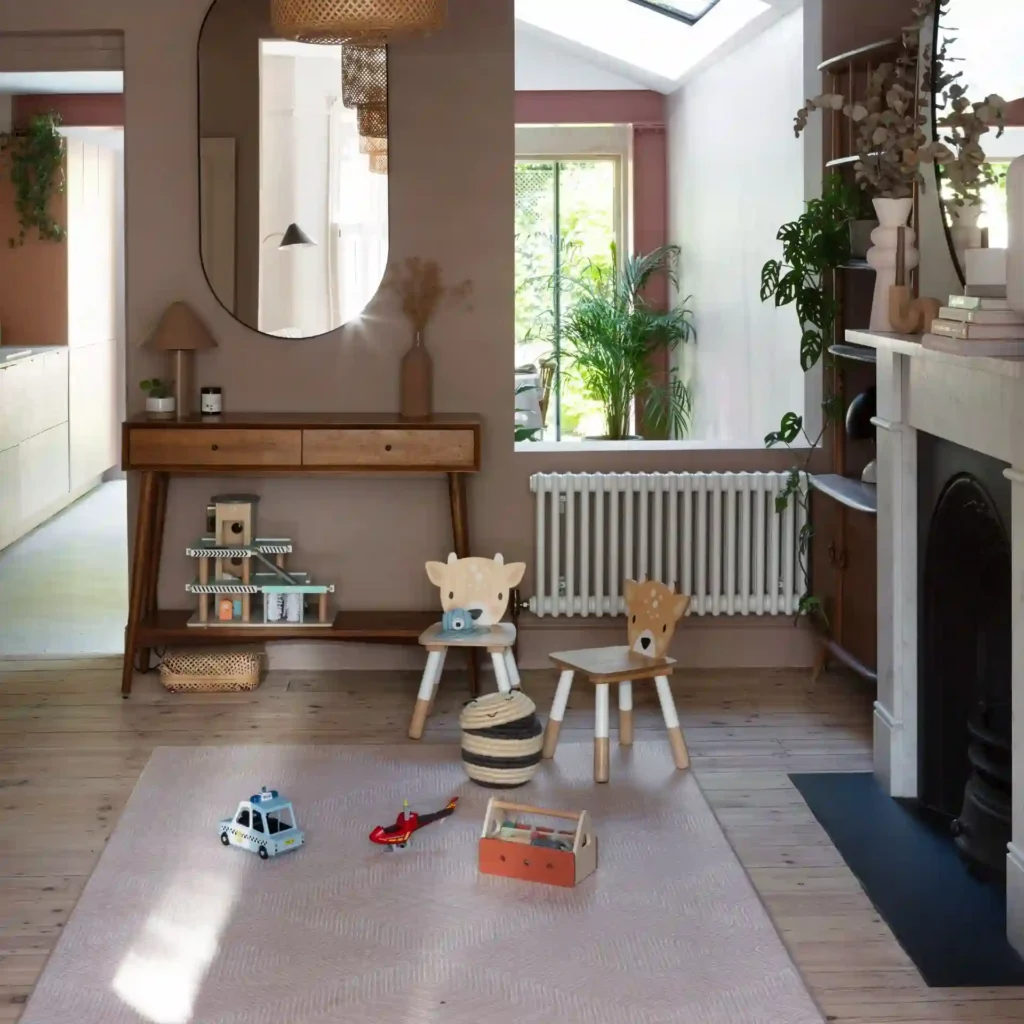
Not every toy needs to live in the bedroom. Many kids naturally play in other areas of the home, like the living room, so it makes sense to keep some of their things there too. “Think about how many toys actually need to be in their bedroom,” suggests parenting expert Heidi Skudder. “If space is limited, keep most of them in the main living area. It may not be the prettiest idea, but it keeps the bedroom from feeling cluttered.” This simple shift helps the room feel more open and peaceful.
Add Hooks on the Wall
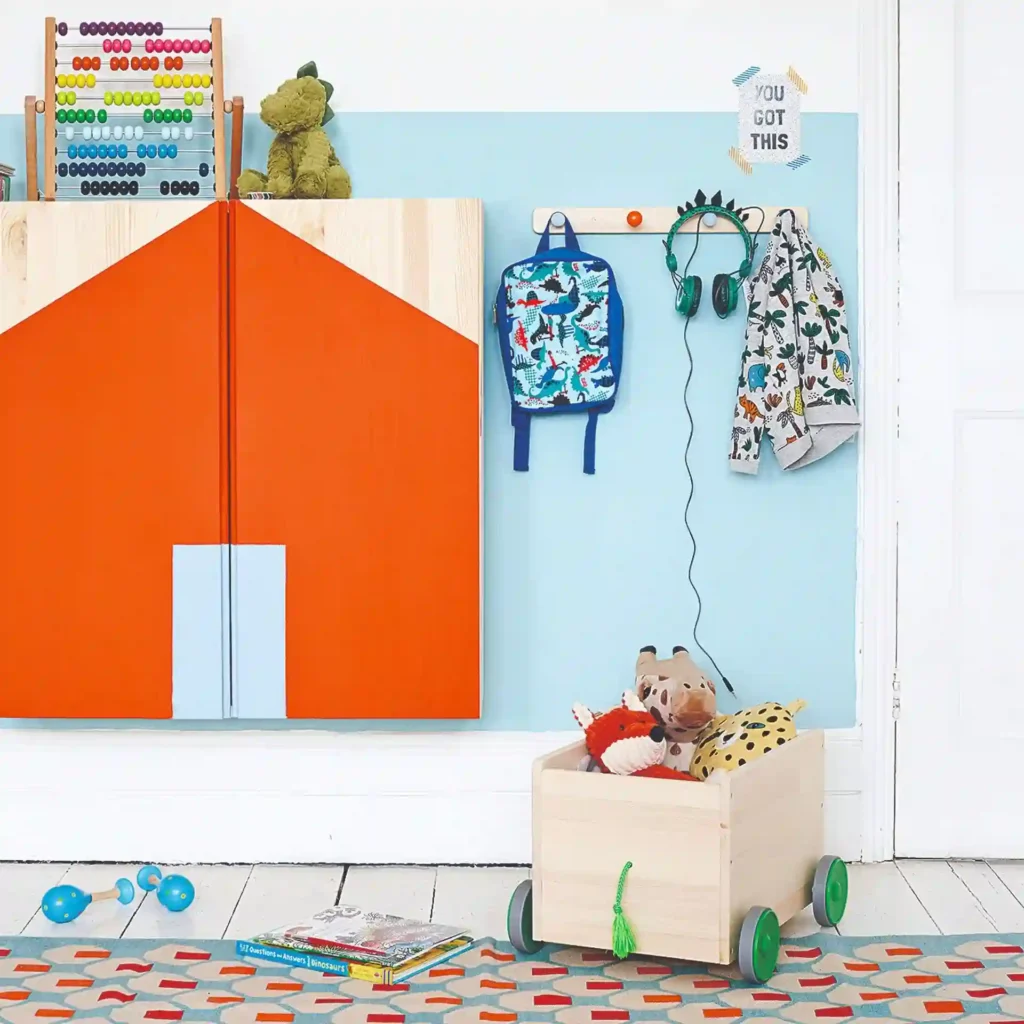
Walls are valuable real estate in a small room, so use them wisely. Hanging hooks is one of the easiest ways to keep clutter off the floor. “Look upwards to find extra space,” says Ashley Hainsworth from kids’ bedroom brand Cuckooland. “Install hooks or hanging organizers to take advantage of vertical space. Keeping things like bags and robes off the floor instantly makes a small room feel larger.” It’s a simple but effective trick that helps open up the area while keeping everything neatly organized.
Think Vertically

When floor space is limited, make the most of the walls. Incorporating vertical decor and storage can completely change how a small kids’ room feels. Wall art, shelving, and themed accents can add both personality and function. “Themed bedrooms are a fun way to create a space that reflects your child’s interests and personality,” says Sally Jackson, founder of Soren’s House. “There are designs to fit every style, from nature and animals to outer space. To make the look last, keep walls neutral and use accessories, wall hangings, and bedding to bring the theme to life.” She adds that decorative pieces like the paper insects shown above can easily be swapped out as your child grows. They can also be passed on, reused, or donated when it’s time for a room refresh.
Go for All White Walls to Lighten Up
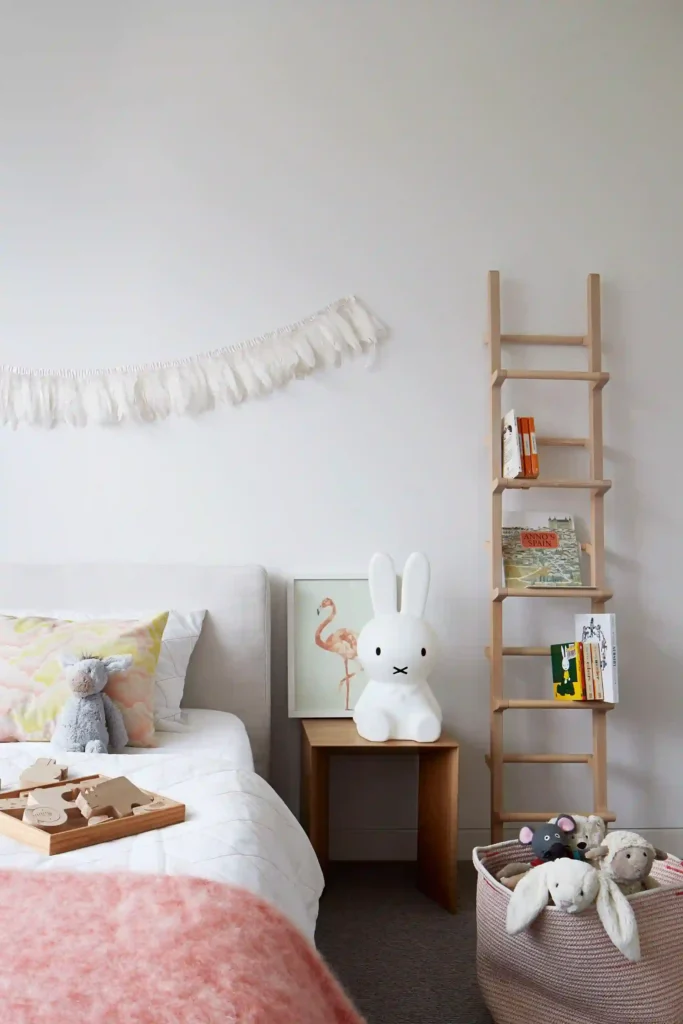
White walls are a classic choice for small bedrooms because they make a room feel larger and brighter. They also create a fresh, neutral backdrop that works for both boys and girls. Choosing the right tone of white is key to keeping the space warm and welcoming rather than stark.
“White is ideal for a small or darker room,” says Jennifer Ebert, Digital Editor at Homes & Gardens. “It lifts the space instantly, and you can always add color through accessories. Mid-tone wood brings warmth, while modern touches like ladder shelving or a sleek side table keep things current.”
This look also makes it easy to update the room as your child’s tastes evolve.
Incorporate Multipurpose Pieces
When space is tight, every item in your child’s room should serve more than one purpose. Multipurpose furniture helps you make the most of every inch while keeping things functional and fun. “In smaller rooms, clever space-saving designs make all the difference, especially when they grow with your child,” says Lynn Tjoeng, product manager for home at Stokke. Compact or foldable furniture can be a big help.
For example, the Stokke MuTable blends creativity with practicality. It has built-in storage and a modular setup that keeps playthings tidy while encouraging independence. The key is choosing pieces that are versatile, thoughtful, and adaptable to your family’s changing needs.