20 Spring Planting Activities for Toddlers
Get your little ones excited about spending time in the garden with these hands-on, kid-friendly ideas. Gardening isn’t just about planting seeds and waiting for them to grow. It’s a chance for children to explore, play, and see nature up close. The garden becomes their outdoor classroom, a place to dig, discover, and learn how food grows.
If your kids aren’t in the mood to water or pull weeds again, try mixing things up with a few playful garden activities. These fun ideas will keep them curious and entertained while helping you enjoy more time outdoors together.
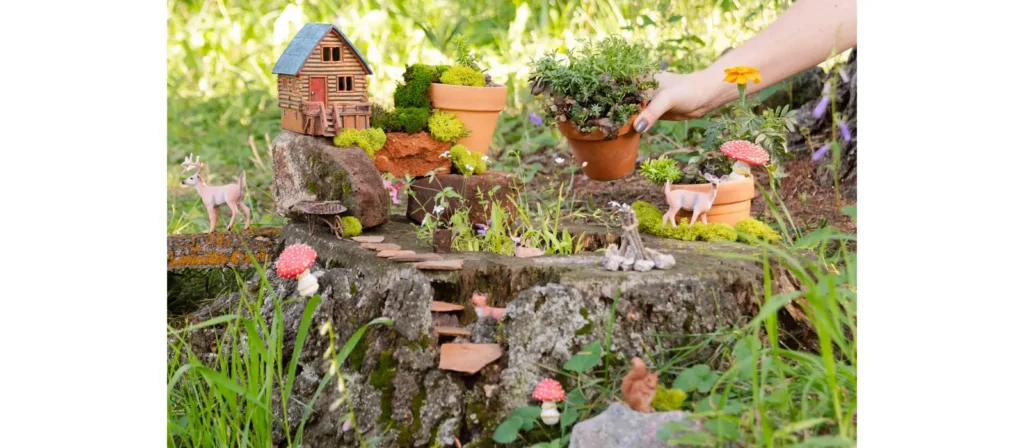
Miniature Garden
Miniature gardens give kids a chance to design their own tiny landscapes. This activity is ideal for limited spaces or classrooms and encourages imagination and planning. Children can fill shallow trays with moss, gravel, small plants, and figurines to create miniature worlds.
It’s creative, open-ended, and helps improve coordination and storytelling skills. Before starting, let kids draw their ideas and pick themes like fairy forests or dinosaur jungles.
Collect trays, moss, succulents, stones, and twigs. This is a great indoor gardening project that lets children express their personality through nature.
Bird Feeder Crafting
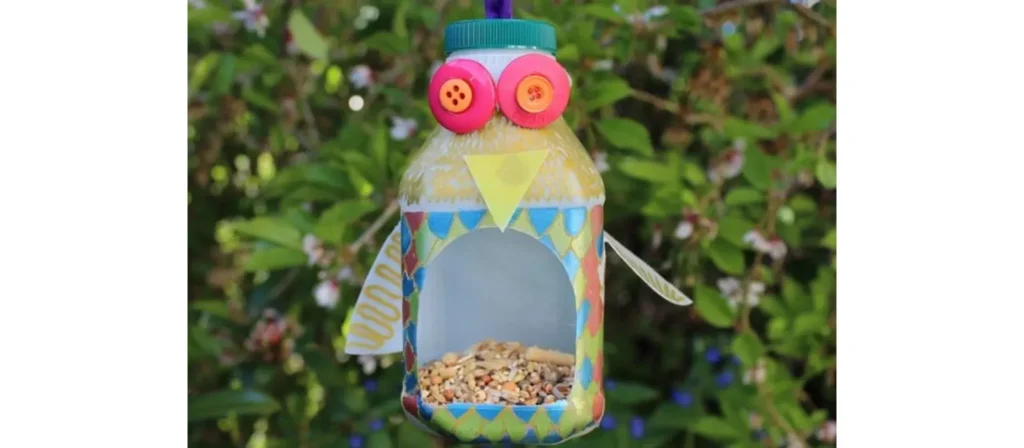
Creating bird feeders is a sweet way to connect kids with nature while encouraging care for wildlife. This project blends art, science, and kindness as children make feeders to attract birds to the garden.
Using items like pinecones, toilet paper rolls, or recycled bottles, kids can spread peanut butter or sunflower butter and roll them in birdseed. Hang them outside with string or twine and watch as birds come to visit. This simple project builds observation skills and helps children see how their actions support nature.
To make it more fun, kids can keep a small bird journal or take photos of the birds they spot. Use pinecones, string, birdseed, and safe household items to craft your feeders. Hang them near a window so children can quietly watch without disturbing the birds.
Pick Out and Plant Seeds
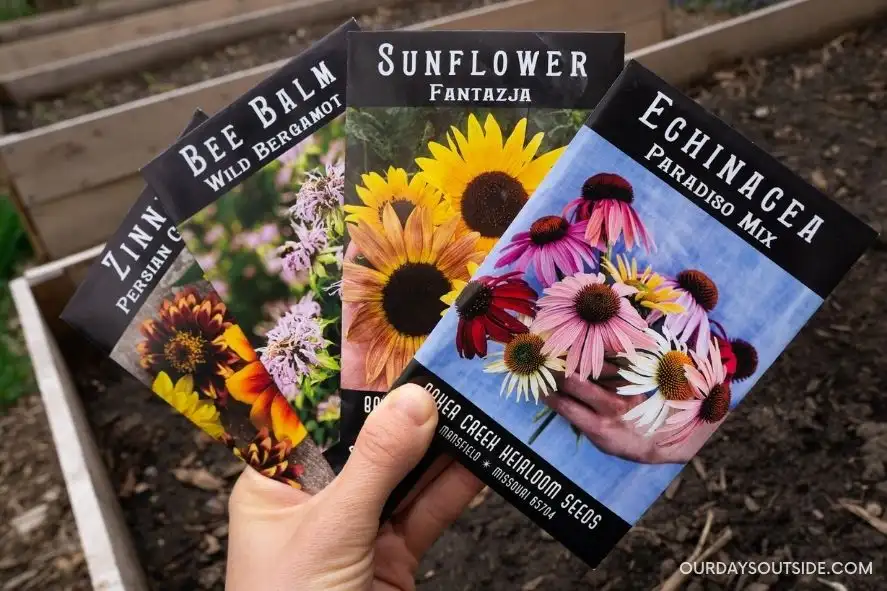
It’s so much fun deciding what to plant and planning out your garden. Kids love being part of the process from the start. When it’s time to plant, they can help poke small holes in the soil, sprinkle in seeds, and gently pat the dirt back in place. Watering is another job they’ll enjoy, especially if they have their own little gardening set.
Collect and Plant Seeds
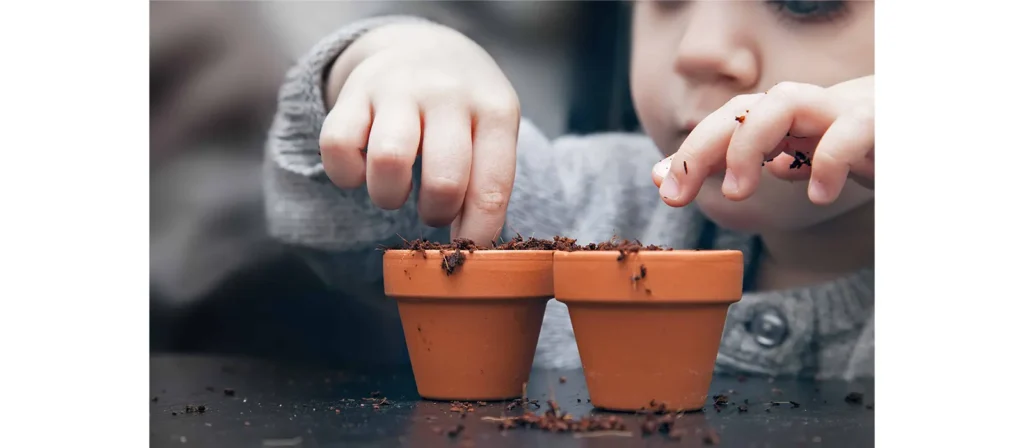
One of the most rewarding and simple gardening activities for kids is collecting and planting seeds. This fun, hands-on task helps children understand the full life cycle of a plant, from seed to sprout. It’s perfect for teaching little ones about nature, patience, and care.
Kids can collect seeds from fruits like tomatoes, pumpkins, and peppers or from dried flowers such as marigolds and sunflowers. Then, they can plant the seeds in small pots, garden beds, or even egg cartons.
This activity is wonderful for preschoolers since it allows them to touch, sort, and observe how tiny seeds turn into growing plants. It doesn’t require much space or equipment, making it great for families and classrooms alike. Gather some paper towels, envelopes, soil, seed trays, and small trowels to get started.
Try using clear cups so children can see the roots grow, and label each seed with the date for an easy learning boost. Large seeds like beans or sunflower seeds are great for little hands and help kids see progress quickly.
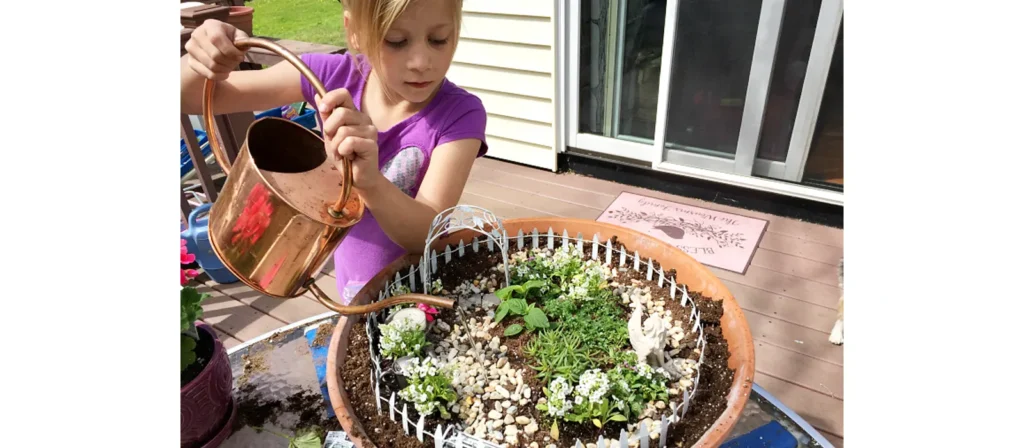
Fairy Garden
Fairy gardens combine imagination and nature to create something truly magical. Kids can build tiny fairy homes using moss, pebbles, twigs, and small plants. They can add miniature figurines or lights to make it feel enchanted.
This activity sparks creativity while strengthening fine motor skills and storytelling. It’s a wonderful way to mix playtime with gardening. Collect shallow pots, moss, succulents, twigs, pebbles, and small figurines to start.
Encourage children to draw their garden design before they begin and use natural materials for an authentic touch. Fairy gardens are perfect for preschool themes around fantasy, storytelling, or art.
Create a Mud Play Space in the Garden
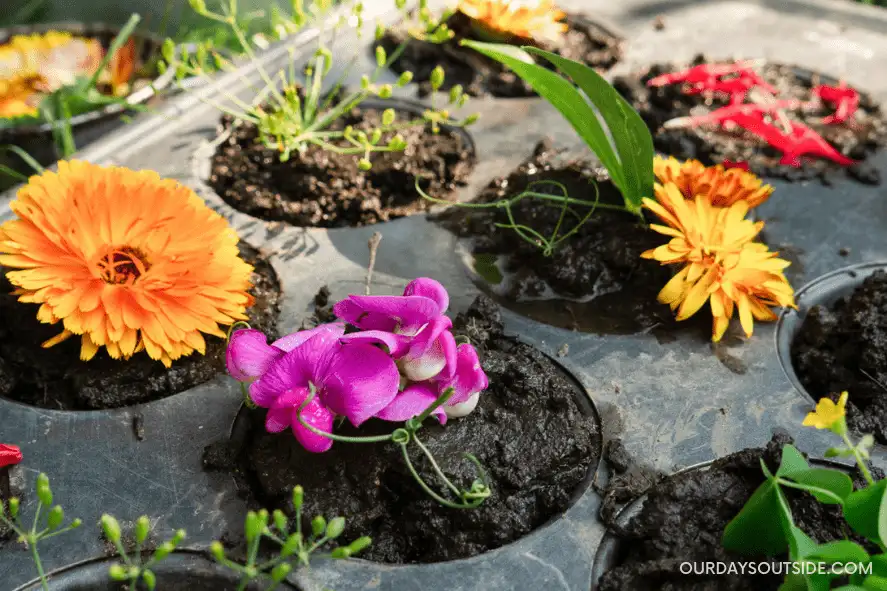
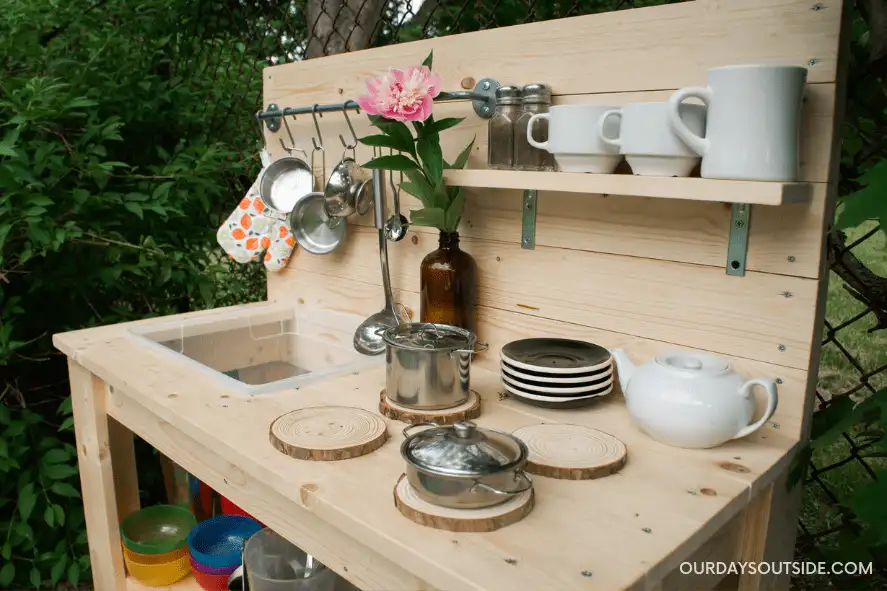
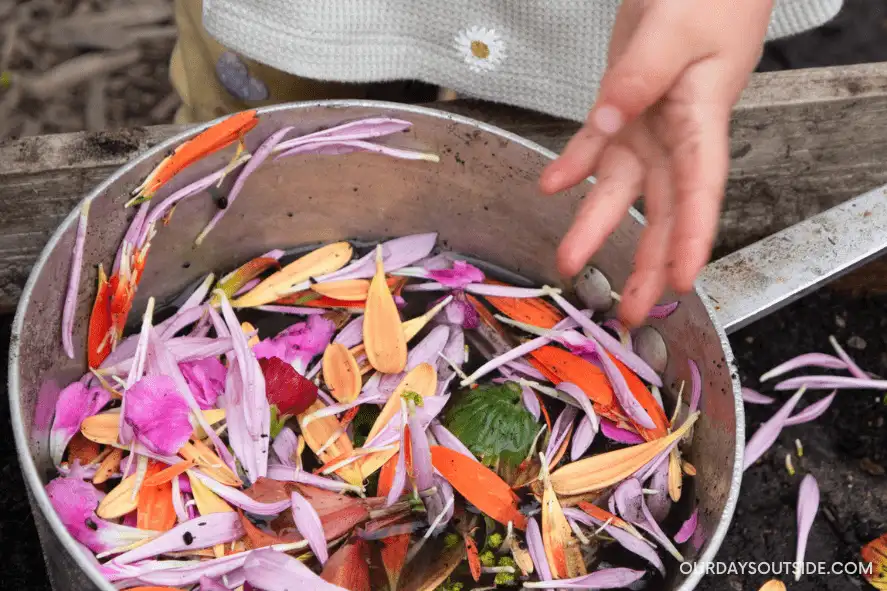
Of all the gardening activities we’ve tried, this one has kept my kids entertained the longest. You don’t even need a fancy setup. Just leave a small section of the garden open for digging and playing in the mud. Add old pots, pans, spoons, bowls, and other kitchen tools, and they’ll be busy for hours. A simple mud area is all it takes to inspire creativity and pretend play like a restaurant, a house, or a picnic.
Here are some fun mud kitchen essentials:
- Mud kitchen
- Pots and pans
- Spoons
- Muffin pan (an old one works great, or check your local thrift store)
- Teapot and cups
- Bowls
- Mud kitchen recipe cards
If you’d like more tips on setting up a mud kitchen, check out this helpful guide.
Egg Carton Garden
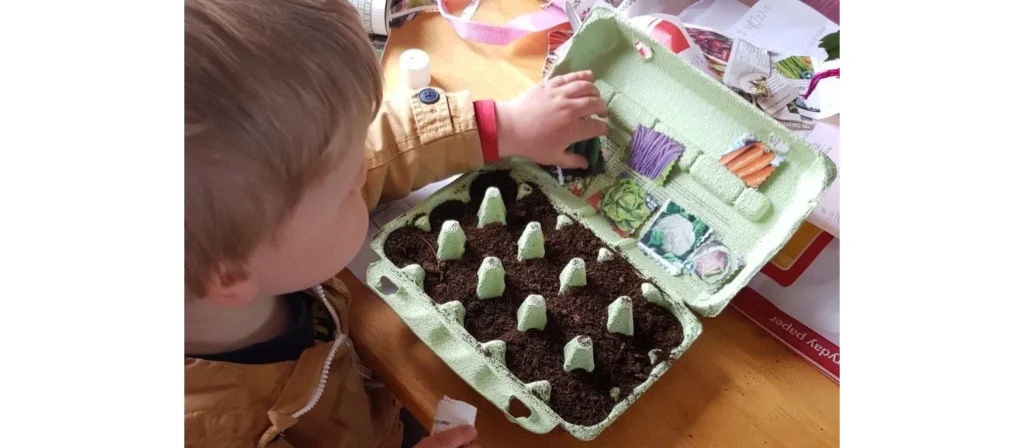
An egg carton garden is one of the easiest and most space-friendly ways to start seeds with kids. It’s great for little hands and teaches patience as they watch their plants grow day by day. Simply fill paper egg cartons with soil and plant seeds like basil, lettuce, or marigolds.
Kids can water their mini gardens with spray bottles and later transplant them into larger pots or outdoor beds. To make it educational, label each section and track growth each week. Poke drainage holes at the bottom of each cell, and cover the top with plastic wrap to create a mini greenhouse.
Gather paper egg cartons, soil, seeds, spray bottles, and labels. It’s a fun way to begin a gardening habit and fits easily into both homes and classrooms.
Sensory Garden
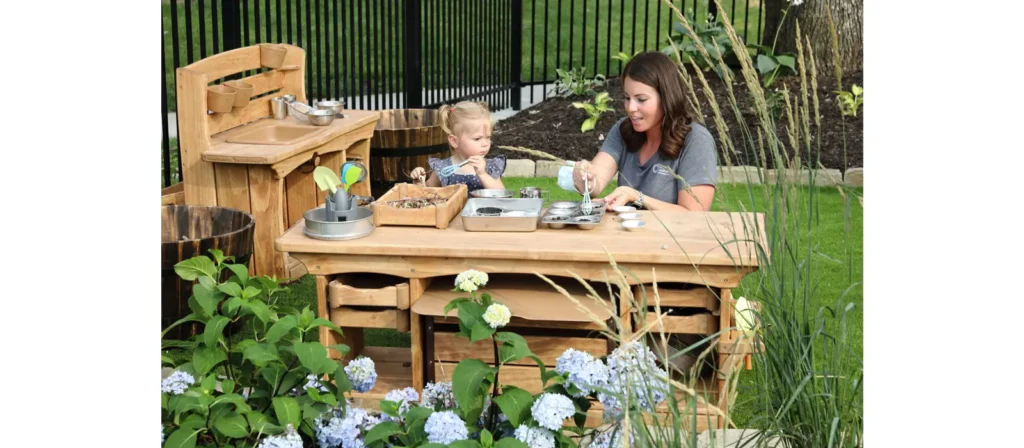
A sensory garden is one of the most magical ways to help children connect with nature through all their senses. It’s designed with plants and textures that invite kids to look, touch, smell, and listen.
Soft lamb’s ear, fragrant lavender, bright marigolds, and gentle wind chimes make the garden come alive. Smooth stones and water features add to the sensory fun.
This garden encourages calm, mindfulness, and curiosity while building awareness of the environment. Gather plants with different textures and scents, set up a few sensory zones, and let children explore slowly. It’s also perfect for storytelling or quiet reading time outdoors.
Arrange Flowers
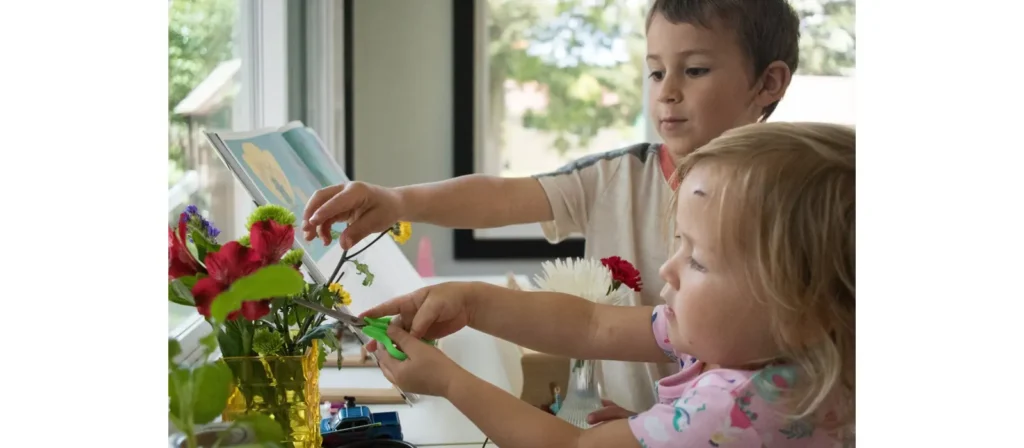
Arranging flowers is a simple, creative way for kids to enjoy the results of their gardening. They can cut flowers they’ve grown or gathered and use them to make small bouquets. This activity teaches color matching, patterns, and coordination while letting kids express themselves through art.
Use small jars or vases, scissors, water, and ribbons. Let children choose flowers based on their favorite colors or moods and practice counting and sorting as they arrange them. This is a perfect rainy-day or classroom project that brings nature indoors.
Make a Pollinator-Friendly Area
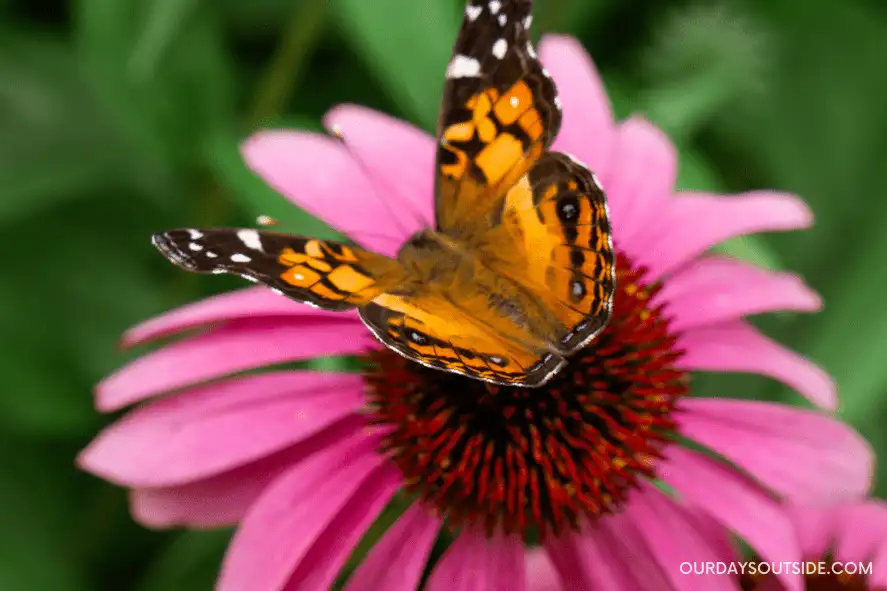
Watching all the little creatures that visit your garden is one of the best parts of gardening with kids. Add a bee and bug hotel or a butterfly feeder to attract more pollinators.
Planting native flowers helps bring even more butterflies and bees to visit. Look up which pollinator plants grow best in your area and create your own little pollinator paradise together.
Worm Composting
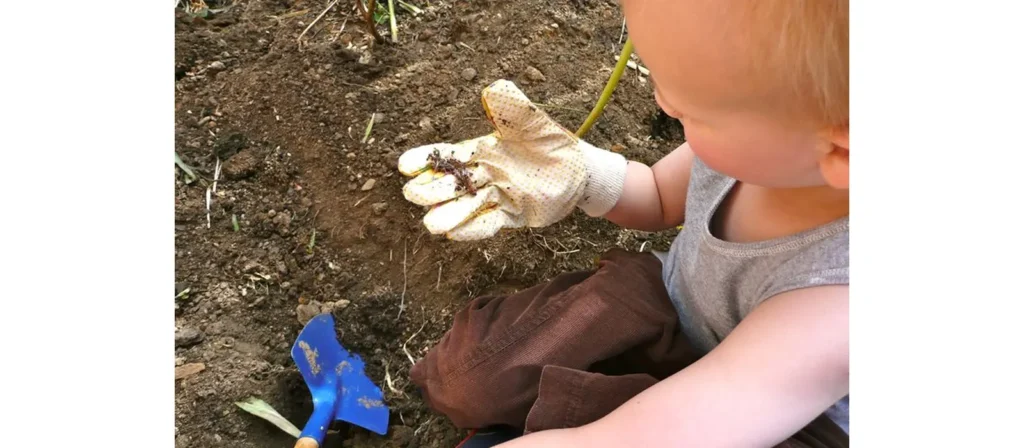
Worm composting, also called vermiculture, is one of the most fascinating science projects for kids. It teaches how food scraps turn into rich compost while showing the importance of reducing waste. Set up a small worm bin with shredded newspaper, red wiggler worms, and vegetable peels.
Kids can help feed the worms and watch them transform leftovers into nutrient-filled soil. This project is great for teaching consistency, patience, and care for living things. It also helps kids understand how waste can be turned into something useful for plants.
Use a shallow plastic bin with holes for air, keep it in a cool shady spot, and avoid citrus or meat scraps. Let kids make a worm-feeding chart with stickers to track when it’s time to feed the worms again.
Build Fairy Gardens
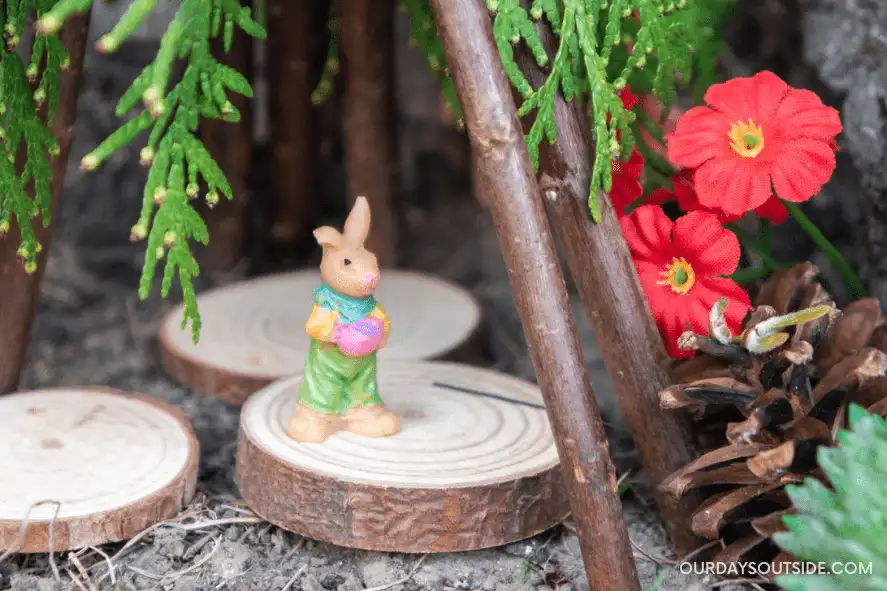
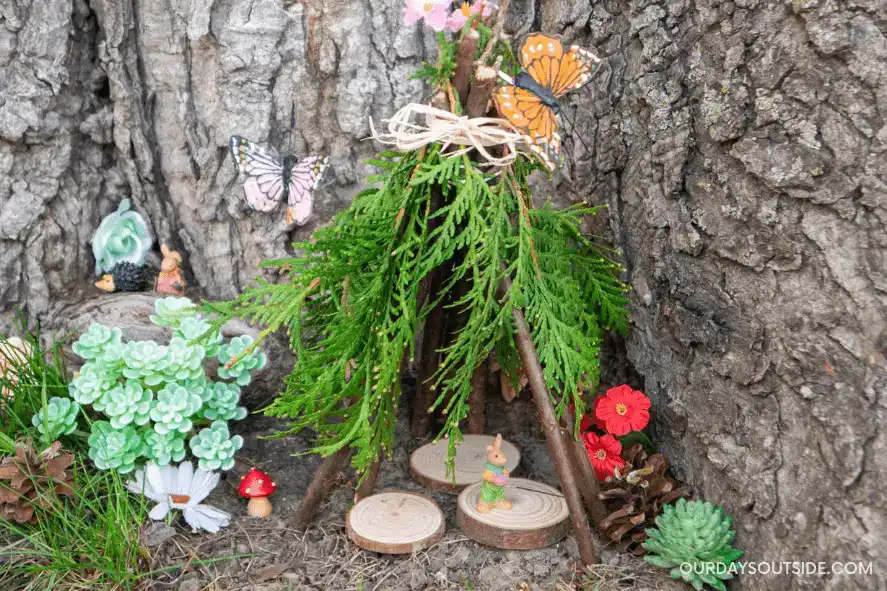
Not every garden activity needs to be about planting and watering. The garden is a magical place for kids to create fairy homes and tiny worlds. Set aside a small corner of the garden or use a flower pot just for this. Gather a few materials and watch their imagination come to life.
Here are some ideas to include:
- Fairy home pieces
- Wood slabs
- Twigs
- Figurines
- Artificial plants
- Moss
- Pine cones
- Pebbles
- Flowers
- Butterflies
- Anything else your kids find in the yard
It’s a beautiful way to blend creativity and outdoor play.
Butterfly Garden
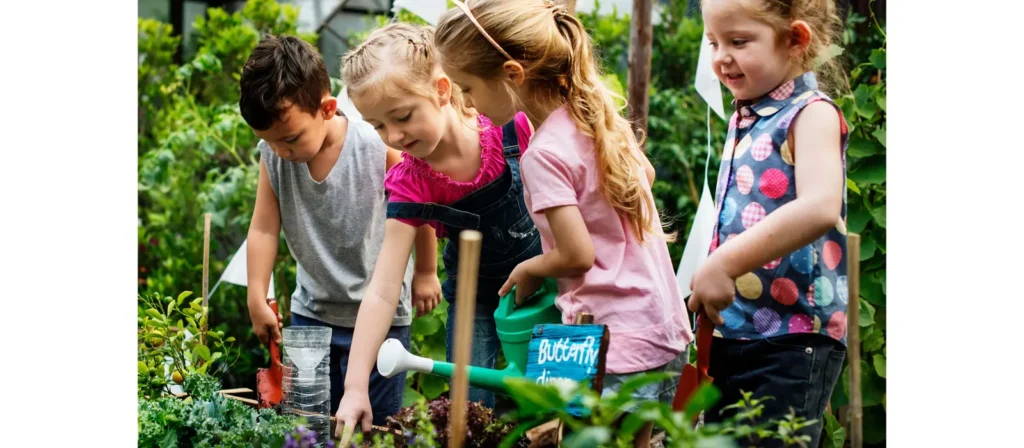
Creating a butterfly garden is a magical experience for children. It introduces them to the beauty of butterflies while teaching about the stages of metamorphosis.
Kids can plant nectar-rich flowers such as marigolds, daisies, or butterfly bushes, and include host plants like milkweed where butterflies lay their eggs. Over time, they may see caterpillars, chrysalises, and butterflies all in one season. This is an amazing way to blend learning and play in the garden.
Use milkweed, butterfly bush, marigolds, and small water dishes with stones to attract butterflies safely. Avoid pesticides and focus on organic soil. Give children journals to track butterfly visits or draw what they observe to make this project even more memorable.
Decorate the Garden
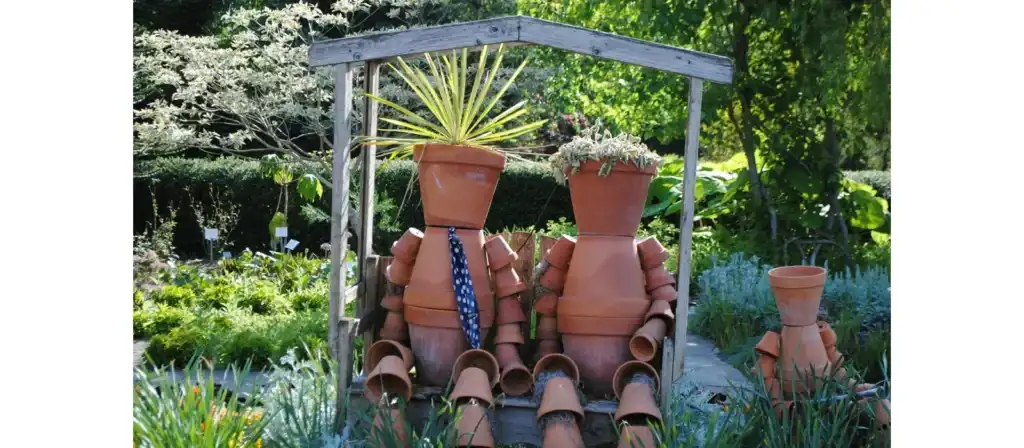
Letting kids decorate the garden helps them take ownership of the space while expressing creativity. This simple yet joyful activity blends art and gardening beautifully. Children can paint rocks, make handmade plant signs, design recycled sculptures, or craft colorful flags.
These decorations make the garden more personal and magical while giving kids a sense of pride in their work. Use smooth stones, non-toxic paints, popsicle sticks, recycled cans, string, and beads.
Protect decorations with a clear sealant, so they last longer outdoors. Encourage children to match their signs to real plants to help them learn plant names. This activity works perfectly with spring or summer themes in classrooms or at home.
Make a Pollinator-Friendly Area
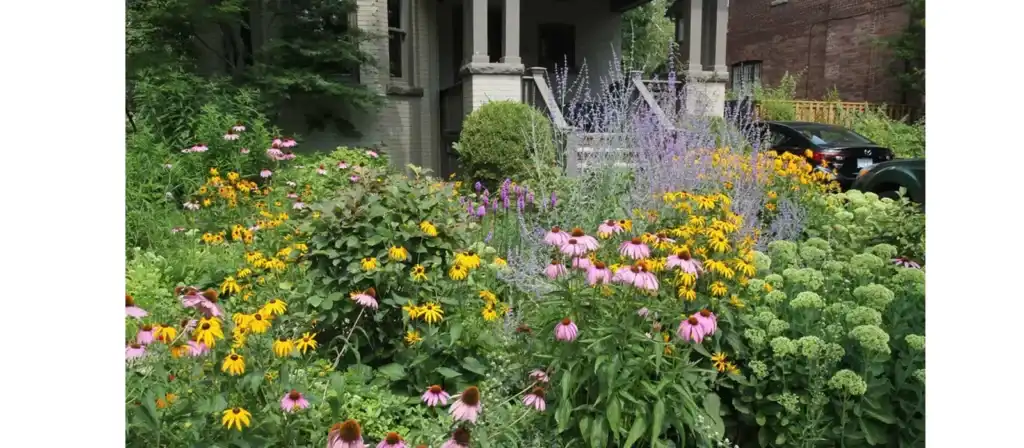
A pollinator-friendly garden helps kids understand that gardening is about more than just plants. Bees, butterflies, and other pollinators are a big part of keeping gardens healthy. Children can plant colorful flowers, set up small water dishes with pebbles, and build simple shelters with flat stones.
Flowers like lavender, sunflowers, and zinnias are perfect for this project. As kids observe these buzzing visitors, they learn how nature works together. This activity also supports vegetable gardens by improving pollination.
Use native flowers that bloom through different seasons to keep pollinators coming back. Encourage children to draw the insects they see and talk about their roles in the garden.
DIY Bug Houses
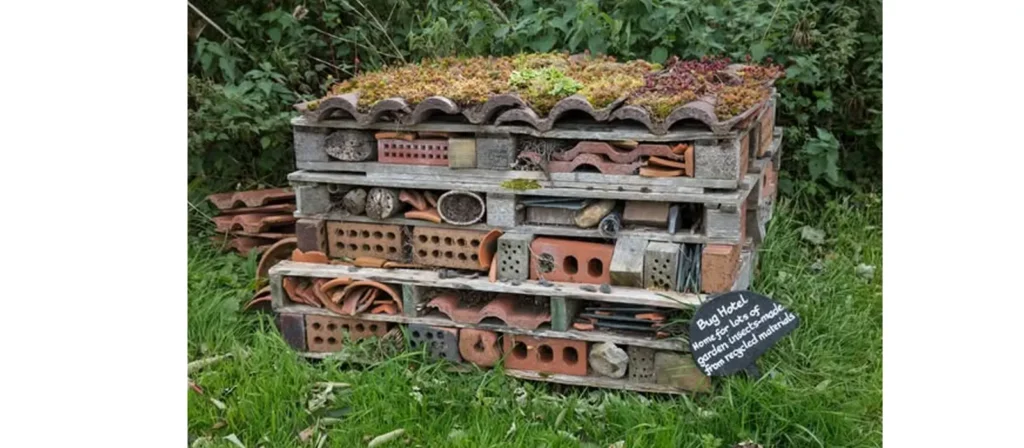
Building bug houses, or insect hotels, is a great way to teach kids about nature’s small helpers. Insects like ladybugs and bees are good for the garden, and kids love giving them a place to live. This project blends creativity, building skills, and science learning.
You can make bug houses using small boxes, bamboo sticks, pinecones, bark, and twigs. Secure everything together and place them near flowers or garden beds.
Children can check their bug hotels often to see which insects have moved in. This teaches them about ecosystems and how different creatures support plant life.
DIY Stepping Stones
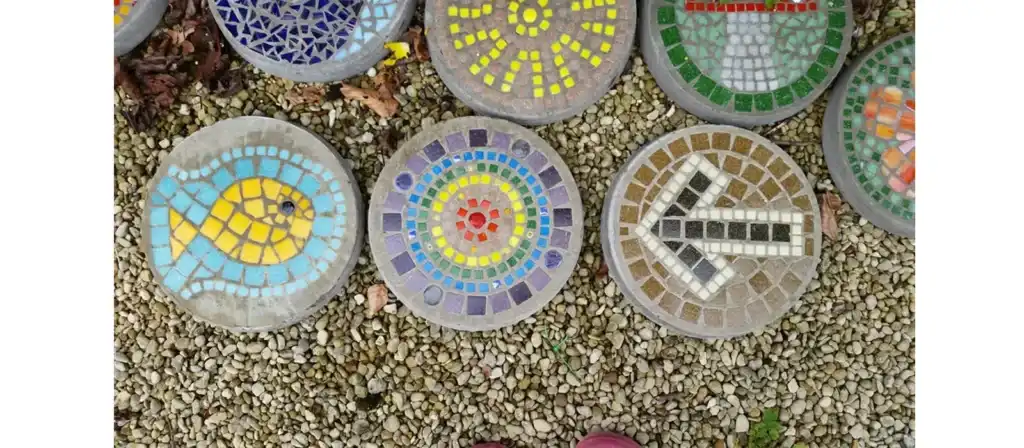
Creating stepping stones lets kids leave their personal touch in the garden. It’s one of the most meaningful crafts because it lasts for years and marks their hard work. Kids can use quick-set concrete or cement mix in shallow molds, then decorate the stones with shells, beads, or pebbles.
They can even press their handprints or names into the mix before it sets. This activity combines creativity with lasting memories. Help kids plan their designs before pouring to make it stress-free. It’s perfect for spring garden projects, family weekends, or classroom milestones.
Flower Press
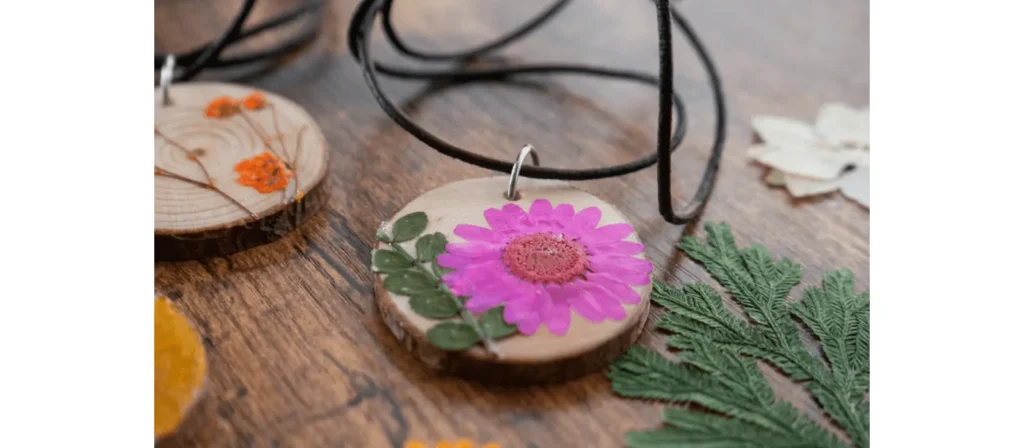
Flower pressing is a classic, peaceful way for kids to enjoy the beauty of their garden and turn it into art. It’s perfect for teaching patience and fine motor skills. Have kids pick flat flowers like pansies or ferns, place them between wax paper or blotting paper, and press them inside heavy books.
After a few days, they can use the pressed flowers to make cards, journals, or collages. Gather fresh flowers, wax paper, blank paper, crayons, and glue sticks. Encourage children to label each flower with its name and date to help with learning. This timeless project works wonderfully with seasonal gardening lessons.
Let Them Help Harvest
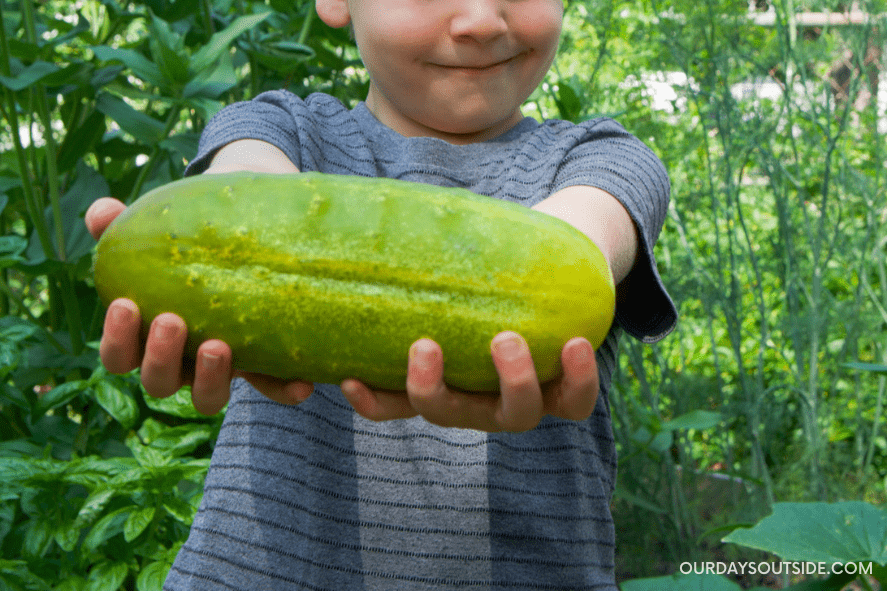
Waiting for plants to grow can feel like forever, but harvesting is one of the most exciting parts for kids. After weeks of watching vegetables get bigger, picking them is such a rewarding moment. Many times, the fresh produce becomes a snack right there in the garden.
If you grow flowers, let your kids help snip some blooms for bouquets. My daughter loves using her own little scissors to make flower arrangements in jars. It’s a simple but joyful way to celebrate what you’ve grown together.
Herb Garden Care
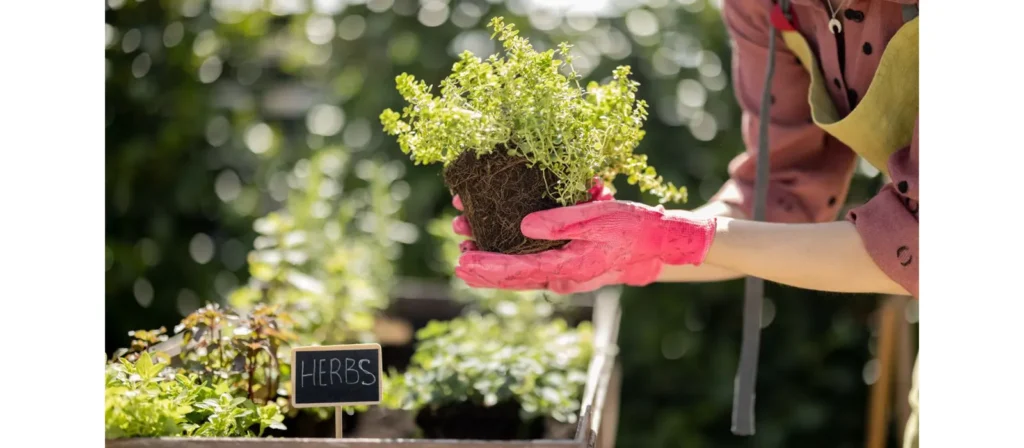
Growing an herb garden is an easy and rewarding way to keep children involved year-round. Herbs grow quickly and smell amazing, making them perfect for kids. Have them plant basil, chives, parsley, or mint in small pots and water them regularly.
Each child can be responsible for their own herb, which teaches routine and responsibility. Herbs can be used later in snacks or cooking projects, helping kids understand where their food comes from.
You’ll need small pots, soil, herb seedlings, markers, and watering cans. Keep herbs on a sunny windowsill and rotate watering tasks weekly to make it fun and fair.